Research report “Perspectives on Implementing the Comprehensive Defence Concept at the Local Level: A Case Study of 1325 National Action Plan Localisation”
The study examines how the specifics of Ukrainian lawmaking and the practices of regulatory implementation impact achieving state policy goals. The subject of the analysis is the National Action Plan for the Implementation of UN Security Council Resolution 1325 on Women, Peace, and Security for the period until 2025. Based on this, the study outlines the prospects for developing and implementing a Ukrainian counterpart to the Swedish Comprehensive Defence concept. Ensuring collective resilience during crises requires a formal legal framework and cooperation within the “government–civil society–business” triad; therefore, the constraints and enablers identified in this report regarding the current policy document will be instrumental in building a comprehensive defence system.
Keywords: comprehensive defence; lawmaking; Women, Peace, and Security (WPS) agenda; state program; local self-government bodies; 1325 coalition.
CONTENTS
RESEARCH TEAM CONTENTS ACRONYMS EXECUTIVE SUMMARY INTRODUCTION Methodology Research Context CHAPTER 1. THE REALITIES OF DEVELOPING AND IMPLEMENTING LEGISLATIVE ACTS AND STATE PROGRAMS: THE CASE OF NAP 1325 ON WOMEN, PEACE, AND SECURITY Initiation and Preparation Development and Approval Implementation Oversight, Monitoring, and Evaluation CONCLUSIONS RECOMMENDATIONS REFERENCES APPENDICES Appendix A. The Cycle of Legislative Adoption and Implementation in Ukraine Appendix B. The Development and Implementation Cycle of State Policy Documents Appendix C. Case Study: The 1325 Zakarpattiya Coalition and Budget Allocation for the Regional 1325 Action Plan
EXECUTIVE SUMMARY
This study is dedicated to assessing the capacity to develop and implement cross-cutting inter-agency programming documents (using NAP 1325 Women, Peace, and Security as a case study) within the framework of the Comprehensive Defence concept. The objective of the study is to identify constraints and successful implementation practices of such documents, to examine the decision-making system within government authorities, and to explore the role of the local level.
Overall, the study confirmed that prior to the full-scale invasion, Ukraine had made significant progress in the field of gender equality. At the same time, numerous barriers to program implementation at the local level were identified. For instance, the analysis shows that state policies (including NAP 1325) encounter obstacles during their implementation at the local level. The study also established the critical role of funding: programs with clearly allocated resources have a higher chance of effective implementation, whereas a lack of funding leads to a formalistic approach. These generalized findings have defined the primary thematic areas (local barriers, the role of resources, and engagement with civil society) for further in-depth analysis.
The study encompasses the following key areas:
Legislative and conceptual foundations, including an analysis of Sweden’s Comprehensive Defence concept (objectives, priorities, and coordination bodies) and a comparison with Ukrainian strategies. Specifically, the study examines how Ukraine’s National Security Strategy articulates societal involvement in defence and how NAP 1325 complements this approach by seeking to ensure the equal participation of women and men in security and conflict response.
The development and approval process of NAP 1325. The study highlights the history of the initiative (the role of women’s CSOs and international organisations), the selection of the coordinating body, and an analysis of the drafting and reconciliation process (specifically, donor involvement and the availability of data and indicators).
Engagement of stakeholders from civil society, local authorities, the private sector, and the security and defence sector in the development and implementation of the document. The study examines communication channels between CSOs, local self-government bodies (LSGs), the central government, and the community, as well as the role of the Ukrainian-Swedish experience in networking and building coalitions (e.g., the “1325 Zakarpattia” Coalition). It was established that, in practice, community engagement remains limited. Established practice relies on a “top-down” approach to task-setting, characterized by a lack of teamwork oriented toward socially beneficial outcomes; a formalistic approach dominates the implementation of NAP 1325 at the local level.
Plan Localization and Implementation. The study describes the key stages: the development of Regional Action Plans (which was mandatory for all regions) and implementation at the community level (carried out on a voluntary basis). Specifically, the analysis reveals that Regional Action Plans (RAPs) 1325 were frequently developed without genuine adaptation to regional specificities. Numerous barriers to the implementation of RAPs 1325 were identified: bureaucracy (centralized management), local staffing shortages, a lack of strategic planning within communities, inter-departmental coordination issues, funding deficits, overlapping functions between programs, and weak communication.
A focus on vulnerable groups and gender. The study places increased emphasis on the target groups of NAP 1325 (including women, IDPs, veterans, and others). It was established that while addressing these groups is the primary goal of NAP 1325, local implementation is often reduced to formal activities and remains constrained by insufficient planning and funding.
The Role of Finance and Resources. The study evaluates the impact of budgetary provision on implementation effectiveness. In particular, experts noted that earmarked funding for NAP 1325 activities (at either the national or local level) significantly increases the probability of their successful implementation.
Swedish Experience: Lessons for Ukraine. The study compares Ukrainian practices with the Swedish experience (specifically regarding gender equality trajectories and the roles of non-governmental organisations in implementing UN Security Council Resolution 1325).
The analysis of the study results provides a basis for the following general conclusions. Firstly, state policies such as NAP 1325 face numerous barriers when implemented at the local level. It is precisely local factors — such as a lack of resources, bureaucratic hurdles, and low motivation among implementers — that create the greatest difficulties for program execution. Secondly, the study confirms that the availability of budget funds significantly enhances the quality of plan implementation: policy documents with clearly defined funding have substantially higher chances of success than those left unfunded. Thirdly, the involvement of civil society organisations (particularly women’s groups) can partially offset resource constraints and facilitate the implementation of inter-agency documents. In practice, however, local authorities often view cooperation with CSOs as an additional burden rather than a collaborative solution.
Finally, the study demonstrated that the traditional administrative culture within state and local government bodies — inherited from Soviet-era approaches — complicates the implementation of cross-cutting strategies. In conclusion, gender mainstreaming and its related initiatives (such as NAP 1325) continue to be treated as low-priority issues.
Thus, the study demonstrates that for the successful localisation of the Comprehensive Defence concept through a gender-responsive lens, it is essential to strengthen financial and human resources, foster inter-agency cooperation, actively engage communities and the private sector in practical implementation, and elevate the priority of gender issues within the security system.
The research was conducted by the CSO “Expert Resource Gender in Detail” as part of the project “Gender Mainstreaming in the Context of Comprehensive Defence”, funded by the grant “Best Practices of the Swedish Gender Approach as a Tool for Empowering Ukrainian Women to Implement Sustainable Reforms and Promote Ukraine’s European Integration”, with financial support from the Swedish Institute and in partnership with the Swedish International Liberal Centre.
The project draws on gender mainstreaming practices within Sweden’s comprehensive defence system and represents the first attempt in the Ukrainian context to explore the possibilities of implementing a Swedish-style comprehensive defence strategy in Ukraine while simultaneously integrating a gender perspective across key sectors, including the economy, care work, the armed forces, civil defence, governance, information policy, and the volunteer movement.
The project’s concept author and project lead is Tamara Zlobina, PhD in Philosophy and Head of the CSO “Expert Resource Gender in Detail”.
Project mentors and reviewers of the analytical reports: Olena Strelnyk, Doctor of Sociological Sciences Hanna Hrytsenko, Gender Expert
The study demonstrates that in the context of a full-scale war, the intersection of paid and unpaid care work effectively becomes an element of the critical infrastructure of comprehensive defence. Limited opportunities for temporary staff replacement, the destruction of facilities, disruptions in providing services, and fragmented work schedules lead to chronic overburdening of women and undermine the human resource capacity of critical sectors. Based on document analysis, nationwide and online surveys, and 20 in-depth interviews, we observe an increase in work intensity, low and unstable incomes, and a shortage of care services, which directly reduces working hours and increases staff turnover. The recommendations focus on institutional solutions for organising time for care and rest — such as staffing reserves for temporary replacement, vouchers for short-term care services, extended and on-call opening hours of facilities, and a unified information pathway for families — so that additional unpaid labour does not remain the sole mechanism for sustaining the home front but becomes a predictable, resource-backed institutional capacity.
Keywords: care work, comprehensive defence, women, war, double burden, societal resilience
CONTENTS
ACRONYMS BRIEF SUMMARY INTRODUCTION METHODOLOGY CHAPTER 1. CARE WORK DURING WARTIME: SOCIO-LEGAL AND INFRASTRUCTURE ASPECTS (DESK STUDY) 1.1 Research Context 1.2 Brief Overview of Legislation and Thematic Studies 1.3 Typology of Care Work and Its Key Challenges 1.4 Directions for Future Research 1.5 Summary of Chapter 1 CHAPTER 2. INFRASTRUCTURE CHALLENGES FOR WOMEN AT THE INTERSECTION OF PAID AND UNPAID CARE WORK DURING THE FULL-SCALE INVASION 2.1 Organising Safety During Air Raid Alerts in Educational Institutions as Invisible Labour 2.2 Unmet Needs for Short-Term Care and Challenges in Organising Staff Replacement 2.3 Summary of Chapter 2 CHAPTER 3. ORGANISATIONAL AND LABOUR CHALLENGES DURING WARTIME: STAFF SHORTAGES, UNSTABLE WORK SCHEDULES, AND LOW WAGES 3.1 Institutional Deficit and the Extension of the Working Day 3.2 Income During Wartime: How Financial Vulnerability Intensifies the Double Burden 3.3 Summary of Chapter 3 CHAPTER 4. PSYCHO-EMOTIONAL EXHAUSTION, ANXIETY, AND LACK OF SUPPORT 4.1 Chronic Fatigue, Burnout, and Apathy 4.2 Lack of Time for Self-Care and Guilt Associated with Rest 4.3 Psycho-Emotional Barriers Women Face in Seeking Help 4.4 Summary of Chapter 4 CHAPTER 5. BARRIERS TO ACCESSING SOCIAL SUPPORT AND DISTRUST OF STATE INSTITUTIONS 5.1 Information Barriers in Accessing Social Assistance 5.2 Complexity of Obtaining Statuses and Completing Documentation 5.3 Summary of Chapter 5 CHAPTER 6. “WE ARE HOLDING THE COUNTRY TOGETHER”: WHEN “RESILIENCE” RELIES ON INVISIBLE CARE 6.1 Fatigue, Responsibility, and Indispensability 6.2 The Intersection of Paid and Unpaid Care Work 6.3 Summary of Chapter 6 CHAPTER 7. EVERYDAY PRACTICES OF SELF-ORGANISATION, MUTUAL AID, AND SURVIVAL 7.1 Self-Organisation 7.2 Domestic Support Systems 7.3 Individual Recovery Strategies 7.4 Summary of Chapter 7 CONCLUSIONS AND RECOMMENDATIONS REFERENCES APPENDICES Appendix A. Nationwide Survey Questionnaire Appendix B. Online Survey Questionnaire Appendix C. In-depth Interview Guide: “Care Work in Times of War”
BRIEF SUMMARY
This study analyses the intersection of women’s paid and unpaid care work during the full-scale invasion within the framework of comprehensive defence. It examines how institutional failures and service deficits translate into additional hours of invisible labour at home, and conversely, how domestic care constraints limit labour availability in critical sectors (education, healthcare, police/State Emergency Service, and public infrastructure).
The research methodology is based on a mixed-methods approach, combining document analysis (national legislation on guardianship and care, family rights and duties, and state support programs for caregivers), results of a nationwide survey (Info Sapiens, Omnibus CATI, n=1000), an online survey (n=57), and a qualitative study conducted through in-depth interviews (n=20). The research instruments were designed to allow for comparing responses from participants across different methods.
The full-scale war has sharply increased the “value of time” in care-related and critical sectors, while simultaneously dismantling the institutional pillars that maintained the balance between women’s paid and unpaid labour. An institutional staffing deficit (migration, mobilisation, burnout) coincided with an increase in domestic care demands (more children/elderly requiring care, frequent school/kindergarten closures, and limited access to healthcare). The result is an extended workday plus a “second or third shift” at home, leading to chronic exhaustion and schedule instability, which directly reduces the labour availability of key home-front personnel.
The following sections outline the key nodes that make the intersection of paid and unpaid care work particularly vulnerable during wartime.
Infrastructure of Time and Safety.
Women working in preschools and elementary schools face significant challenges during wartime: shelters often cannot accommodate all children and air raid sirens constantly disrupt the schedule. Some classes must be held in shifts or directly in shelters, which lack proper conditions. All this significantly increases the invisible organisational labour of women in kindergartens and lower grades: they arrive early, escort children during evacuations, maintain constant communication with parents, and coordinate the routes between home, school, and the shelter.
For women in essential services (police, State Emergency Service, and healthcare), workplace flexibility is virtually non-existent and short-term care services are unavailable. Consequently, balancing work and caregiving duties is only possible through the support of family members, primarily grandmothers.
Labour Shortages and Lack of Temporary Staffing Mechanisms.
As staff in care professions and critical infrastructure dwindle or depart, those remaining are forced to do the work of two or three people. Since formalised temporary replacement mechanisms are nearly non-existent, substitutions are arranged informally among colleagues. Consequently, institutions survive by siphoning additional “invisible time” from their employees. Upon returning home, these same women face expanded caregiving duties for children, elderly relatives, and persons with disabilities.
Unstable Income Amidst Inflation and Time Scarcity.
In law enforcement and emergency services, bonuses appeared in waves without consistent indexation. In education and healthcare, incomes remained largely stagnant or decreased due to inflationary processes. When women lack even brief breaks for recovery or care arrangements, they are forced to shift to part-time work or miss shifts. As a result, earnings drop precisely when the workload is at its peak. Informal barriers, specifically gender biases, also play a role, influencing management decisions regarding bonuses or career advancement.
Psycho-emotional Exhaustion and Recovery Deficits.
Chronic sleep deprivation, nights disrupted by shelling or air raids, doubling the workload, and a lack of rest lead to persistent apathy and burnout. Seeking support remains rare: only a few use psychologists or support groups; instead, the prevailing mindset is to rely on one’s own strength and horizontal mutual aid.
Informational and Bureaucratic Barriers.
Even those eligible for care-related benefits or legal statuses often do not know where to apply. Procedures are complex and fragmented across different institutions, while legal assistance is prohibitively expensive. In practice, this results in a loss of actual access to resources that could alleviate the care burden.
In response to these challenges, women build their own temporary support frameworks: mutual substitutions in schools and kindergartens, informal flexible scheduling within security forces, neighbourhood care networks for the elderly, and small volunteer groups assisting the wounded and their families. While this allows the system to remain operational, it simultaneously drains private resources of time, health, and finances: informal mutual aid partially substitutes for missing services without providing protection against burnout. Systemic solutions are required to replace the current climate of instability, where employees rely on informal “peer-to-peer backup.” Care must be integrated into comprehensive defence planning, ensuring allocated time, organised staffing substitutions, sustainable funding, and accessible information.
Policy must institutionalise what communities are already practicing: short-term care, organised staffing substitutions, wage indexation, and a transparent mechanism for accessing social support. Building on our findings, we propose the following measures to enhance the capacity to balance paid and unpaid labour and to strengthen the resilience of comprehensive defence.
Infrastructure of Time, Not Just Place.
Alongside reconstruction and shelters, it is essential to deploy short-term day and night care for those in need: on-call groups for 2-4 hours during the day and evening shifts, micro-daycare centres for the elderly and persons with disabilities close to home, and “social support + transportation” to medical and administrative services. This directly restores paid working hours to shifts and reduces forced absenteeism or underemployment.
Temporary Staffing Mechanisms and Workload-Adjusted Pay.
Establish funded labour reserves for temporary replacements with clear response-time standards (e.g., dedicated substitute positions for preschool and school teachers, and reserve teams for municipal and medical services). Implement base salary indexation and pay scales that reflect actual workload and risks, while formalising guaranteed and predictable work schedules in contracts, adapted to air raid alerts and potential power outages.
Anti-discrimination Safeguards.
Ensure written and transparent criteria for bonuses and promotion decisions are applied, alongside regularly auditing these decisions for gender pay gaps and career advancement disparities. Establish internal channels (including anonymous ones) for reporting informal denials of bonuses, promotions, and professional development opportunities, with mandatory investigations into every case.
Recovery Support.
Introduce short-term care vouchers for essential workers (weekly hours for rest and recuperation), accessible municipal psychological counselling, and basic workplace burnout prevention programs.
Unified Information Circuit.
Create a “Care and Support” portal with simple formulas for obtaining statuses and benefits, standardised document templates, and free primary legal aid; establish in-person help desks at Administrative Service Centres (ASCs) or local administrations for in-person navigation.
Care is the infrastructure of defence: unless institutionalised, we finance “resilience” through the exhaustion of women and the erosion of rear-guard combat readiness. Defence encompasses not only the frontline but also the continuity of education, healthcare, law enforcement, and energy sectors. When a key portion of essential personnel operates at the breaking point, lacking time for both rest and their own caregiving duties, the system gradually loses working hours, full shifts, and, ultimately, the people themselves. Integrating care needs into personnel and operational planning (flexible schedules, substitution systems during leaves or peak loads, wage indexation, and clear information on rights) converts into enhanced combat effectiveness: it reduces staff turnover, facilitates rotations, bolsters service readiness, and makes communities more stable.
The research was conducted by the CSO “Expert Resource Gender in Detail” as part of the project “Gender Mainstreaming in the Context of Comprehensive Defence”, funded by the grant “Best Practices of the Swedish Gender Approach as a Tool for Empowering Ukrainian Women to Implement Sustainable Reforms and Promote Ukraine’s European Integration”, with financial support from the Swedish Institute and in partnership with the Swedish International Liberal Centre.
The project draws on gender mainstreaming practices within Sweden’s comprehensive defence system. It represents the first attempt in the Ukrainian context to explore the possibilities of implementing a Swedish-style comprehensive defence strategy in Ukraine while simultaneously integrating a gender perspective across key sectors, including the economy, care work, the armed forces, civil defence, governance, information policy, and the volunteer movement.
The project’s concept author and project lead is Tamara Zlobina, PhD in Philosophy, and Head of the CSO “Expert Resource Gender in Detail”.
Project mentors and reviewers of the analytical reports: Olena Strelnyk, Doctor of Sociological Sciences Hanna Hrytsenko, Gender Expert
This study aims to define the roles of local self-government and public administration within the framework of comprehensive defence, incorporating the gender dimension of Ukraine’s public policy. For a long time, the involvement of women in vital state processes, particularly within the security and defence sectors, received little attention due to various factors, including gender stereotypes. However, Ukraine’s European integration movement has created the conditions for revising the existing legal framework. This issue became particularly urgent during the war, as a significant number of responsibilities for decision-making in the security and defence sectors under decentralisation were assigned to local self-government bodies and newly formed civil-military administrations. The study provides a qualitative analysis of current legislation governing comprehensive defence within the competencies of local self-government bodies and executive authorities. It presents data from expert surveys conducted among local officials to identify legal implementation practices and the obstacles public officers and politicians face. The study identifies remaining opportunities to strengthen women’s involvement in comprehensive defence at the local level in recent years, particularly since Russia’s full-scale invasion in 2022.
Keywords: defence, comprehensive defence, public administration, local self-government, gender equality, Russia’s war against Ukraine, Ukraine.
CONTENTS
ABSTRACT ACRONYMS EXECUTIVE SUMMARY INTRODUCTION METHODOLOGY CHAPTER 1. LEGAL FRAMEWORK FOR THE IMPLEMENTATION OF COMPREHENSIVE DEFENCE AT THE LOCAL LEVEL Summary of Chapter 1 CHAPTER 2. IMPLEMENTATION OF COMPREHENSIVE DEFENCE AT THE LOCAL LEVEL IN UKRAINE 2.1. General Trends and Challenges 2.2. Community Self-Organisation as the Foundation of Resilience 2.3. Interaction with Military Administrations and State Structures 2.4. The Role of Women in Ensuring Comprehensive Defence 2.5. Volunteer and Veteran Networks as a Component of Defence 2.6. Resources, Human Capital, and Bureaucracy Summary of Chapter 2 CHAPTER 3. THE SWEDISH EXPERIENCE IMPLEMENTING COMPREHENSIVE DEFENCE AT THE LOCAL LEVEL 3.1. The Concept and Key Principles of Comprehensive Defence in Sweden 3.2. The Role of Municipalities in the Comprehensive Defence System 3.3. Collaboration with the Military and Regional Authorities Summary of Chapter 3 CONCLUSIONS RECOMMENDATIONS REFERENCES ANNEX: INTERVIEW QUESTIONNAIRE FOR REPRESENTATIVES OF LOCAL SELF-GOVERNMENT BODIES AND EXECUTIVE AUTHORITIES
EXECUTIVE SUMMARY
“Community resilience is not just about shelters and air defence; it is about people’s confidence that they will be cared for in any crisis.” Yuliia Darnytska, Member of the Chernihiv City Council, interview
This study examines the role of local self-government (LSG) and state administration bodies in forming Ukraine’s comprehensive defence system, incorporating a gender perspective.
Analysis of the regulatory and legal framework shows that while Ukrainian legislation defines the principles of comprehensive defence, the role of LSG remains fragmented. Powers are duplicated between LSG bodies and military administrations, which complicates coordination and reduces the efficiency of local governance. The gender component is not systematically integrated into most regulatory acts, and the implementation of the National Action Plan for United Nations (UN) Security Council Resolution 1325 on Women, Peace, and Security remains inconsistent at the local level.
Expert interviews with representatives of LSGs and executive authorities from Chernihiv, Kharkiv, Mykolaiv, Zaporizhzhia, and Volyn oblasts show that communities have taken on a significant share of security, humanitarian response, and population support functions. Despite a lack of resources and an unclear distribution of powers, it is the local level that has become the hub of resilience in crises. Women are actively involved in the work of authorities, yet their participation in decision-making processes within the defence sector remains insufficient.
Analysis of the Swedish model shows that the success of comprehensive defence is built on a partnership between the military, municipalities, business, and civil society. Swedish municipalities have clearly defined responsibilities in the field of civil preparedness, and coordination between levels of government is carried out through permanent cooperation platforms.
Ukraine should adapt these approaches by strengthening the role of local councils and communities, ensuring their resource capacity, integrating gender policy into the security sector, and establishing mechanisms for civil-military cooperation at the oblast level.
The research was conducted by the CSO “Expert Resource Gender in Detail” as part of the project “Gender Mainstreaming in the Context of Comprehensive Defence”, funded by the grant “Best Practices of the Swedish Gender Approach as a Tool for Empowering Ukrainian Women to Implement Sustainable Reforms and Promote Ukraine’s European Integration”, with financial support from the Swedish Institute and in partnership with the Swedish International Liberal Centre.
The project draws on gender mainstreaming practices within Sweden’s comprehensive defence system and represents the first attempt in the Ukrainian context to explore the possibilities of implementing a Swedish-style comprehensive defence strategy in Ukraine while simultaneously integrating a gender perspective across key sectors, including the economy, care work, the armed forces, civil defence, governance, information policy, and the volunteer movement.
The project’s concept author and project lead is Tamara Zlobina, PhD in Philosophy and Head of the CSO “Expert Resource Gender in Detail”.
Project mentors and reviewers of the analytical reports: Olena Strelnyk, Doctor of Sociological Sciences Hanna Hrytsenko, Gender Expert
The study examines the experiences and challenges faced by women joining the Defence Forces of Ukraine, particularly in the areas of recruitment, military service, and social guarantees. In the context of low public support for the idea of general mobilisation, the involvement of motivated female professionals in national defence becomes especially important. The analysis reveals the presence of regulatory, socio-cultural, and gender-based barriers that limit the realisation of women service members’ potential.
Based on interviews with women service members and candidates for military service, the study formulates recommendations for the legislative and executive branches of government, the Ministry of Defence, and the media. Key priorities include creating a safe and non-discriminatory environment, updating the regulatory framework, introducing effective complaint and harassment prevention mechanisms, and improving social guarantees and medical support. Implementing the proposed measures will strengthen the human resources capacity of the Defence Forces and contribute to building an army that respects the dignity of every individual and enhances Ukraine’s defence capability.
Keywords: women in the military; gender barriers; social guarantees; mobilisation; comprehensive defence.
CONTENTS
ABSTRACT CONTENTS ABBREVIATIONS BRIEF SUMMARY INTRODUCTION METHODOLOGY CHAPTER 1. BARRIERS FACED BY WOMEN IN THE MILITARY: SOCIO-CULTURAL, INSTITUTIONAL, AND LEGAL 1.1 Public Attitudes in Ukraine toward the Mobilisation of Women and Women’s Military Service 1.2 Socio-Cultural Barriers Women Face in the Military 1.3 Institutional and Legal Barriers to Women’s Military Service 1.4 Summary of Chapter 1 CHAPTER 2. WOMEN’S PERCEPTIONS OF MILITARY SERVICE AND THE EXPERIENCES OF WOMEN SERVICE MEMBERS 2.1 Why Women Consider Joining the Military and Why They Decide Not to Join 2.2 Perceptions of Military Service among Women Considering Enlistment 4.3 Summary of Chapter 4 CONCLUSION RECOMMENDATIONS REFERENCES APPENDICES Appendix A. Survey Questionnaire: “Are Women Ready to Join the Military? Factors That Deter Them” Appendix B. In-Depth Interview Guide for Current Women Service Members (since February 24, 2022) Appendix C. In-Depth Interview Guide for Current Women Service Members Who Joined Outside the Active Phase of the War (in 2018, 2020, or 2023-2025) Appendix D. In-Depth Interview Guide for Women Planning to Join Military Service Appendix E. List of Guiding Questions for Expert Interviews
BRIEF SUMMARY
This study aims to identify a range of barriers (socio-cultural, regulatory-legal, institutional, and others) that hinder women service members from fully realising their potential within the Defence Forces of Ukraine across different branches and services. Drawing on a combination of data collection methods, as well as a review of previous thematic reports produced by various experts and organisations, the report seeks to identify a set of factors that either motivate or deter Ukrainian women who have considered entering into a contract with the Defence Forces of Ukraine from pursuing military service. It also explores the challenges and concerns women face prior to enlistment and examines how these concerns are reflected in the realities of military service. Based on the barriers identified, a series of recommendations has been developed for relevant state authorities and other authorised bodies and actors.
During the research design phase, the following objectives were defined:
To examine public attitudes toward the mobilisation of women and women’s military service;
To identify institutional, legal, socio-cultural, and other barriers faced by women in the military sphere;
To collect and synthesize the experiences of current women service members and women who are considering military service;
To develop recommendations for improving policies, procedures, and practices in the defence sector, with due consideration for gender equality.
The study applies a combination of approaches, including gender-transformative, gender-sensitive, anti-discrimination, and anthropocentric approaches. The research methodology is based on a mixed-methods design that combines quantitative methods (a nationally representative survey, n = 1,000 respondents) and qualitative methods (20 in-depth interviews and two expert interviews), conducted in parallel. The methodological tools of these approaches were aligned to ensure that data related to the same thematic areas could be compared in a methodologically sound manner. As an additional method, the study employed an analysis of open sources, including official statistics, nationally representative surveys, advocacy initiatives of the feminist movement (such as petition texts), and legislation related to gender equality.
Specific sections of the study address the identified barriers that deter individuals willing to join the Defence Forces of Ukraine, as well as the transformative experiences and the practical manifestation of these barriers during the actual military service of individual women.
A series of conclusions and recommendations was formulated based on the comprehensive set of research methods employed.
The research was conducted by the CSO “Expert Resource Gender in Detail” as part of the project “Gender Mainstreaming in the Context of Comprehensive Defence”, funded by the grant “Best Practices of the Swedish Gender Approach as a Tool for Empowering Ukrainian Women to Implement Sustainable Reforms and Promote Ukraine’s European Integration”, with financial support from the Swedish Institute and in partnership with the Swedish International Liberal Centre.
The project draws on gender mainstreaming practices within Sweden’s comprehensive defence system and represents the first attempt in the Ukrainian context to explore the possibilities of implementing a Swedish-style comprehensive defence strategy in Ukraine while simultaneously integrating a gender perspective across key sectors, including the economy, care work, the armed forces, civil defence, governance, information policy, and the volunteer movement.
The project’s concept author and project lead is Tamara Zlobina, PhD in Philosophy and Head of the CSO “Expert Resource Gender in Detail”.
Project mentors and reviewers of the analytical reports: Olena Strelnyk, Doctor of Sociological Sciences Hanna Hrytsenko, Gender Expert
In the context of Russia’s full-scale war against Ukraine, the technology sector has acquired strategic importance. Gender-balanced participation within the framework of comprehensive defence increases the resilience of any economic sector to various challenges (e.g., mobilisation, relocation) and enables the diversification of risks associated with human capital engagement. This applies both to sectors traditionally dominated by men and to those dominated by women.
Women’s participation in the defence technologies sector remains low due to systemic barriers. The study comprised desk-based and field research, including in-depth interviews and an online survey. The findings indicate that women’s opportunities for economic participation are significantly constrained by persistent gender stereotypes; lack of transparency in career advancement; low representation, particularly in leadership positions; and the double burden, including unpaid care work.
Despite shortages of human capital, state policy does not provide for systematic measures to integrate women into strategic sectors. An analysis of international experience demonstrates the positive impact of gender equality on innovation and the resilience of the defence technologies sector. The recommendations address state institutions, businesses, and civil society and aim to remove barriers, develop human capital, and foster inclusive human resource policies. Gender integration in military technologies is not only a matter of justice but also a strategic necessity for Ukraine’s defence capability.
Keywords: women, labour market, economic empowerment, human capital development, defence technologies, Russia’s war against Ukraine, Ukraine.
CONTENTS
ABBREVIATIONS BRIEF SUMMARY INTRODUCTION METHODOLOGY CHAPTER 1. AN OVERVIEW OF OPPORTUNITIES FOR WOMEN CREATED BY THE GROWING TECHNOLOGIZATION OF WAR 1.1. Summary of Chapter 1 CHAPTER 2. KEY BARRIERS TO EXPANDING WOMEN’S ECONOMIC OPPORTUNITIES IN THE FIELD OF ADVANCED MILITARY TECHNOLOGIES 2.1 Educational and Professional Barriers 2.2 Personal and Psychological Barriers 2.3 Barriers in Job Search 2.4 Summary of Chapter 2 CHAPTER 3. PROFESSIONAL OPPORTUNITIES AND BARRIERS TO THE DEVELOPMENT AND RETENTION OF WOMEN IN THE ADVANCED MILITARY TECHNOLOGIES SECTOR 3.1 Gender (In)equality in Access to Professional Development 3.2 Low Levels of Women’s Involvement in Large-Scale Projects and the Undervaluation of Their Expertise 3.3 Opportunities for Professional Growth and Skills Development in the Workplace 3.4 Lack of Transparency in Career Advancement Processes 3.5 Insufficient Management Support and the Lack of Gender-Sensitive Policies in Companies 3.6 The Need for Constant Proof of Competence 3.7 Infrastructure and Security Factors 3.8 Combining Work and Care: The Double Burden of Professional Development 3.9 Summary of Chapter 3 CHAPTER 4. ANALYSIS OF NATIONAL AND INTERNATIONAL BEST PRACTICES FOR INTEGRATING WOMEN INTO THE ADVANCED MILITARY TECHNOLOGIES SECTOR 4.1 Gender Inclusion in Defence Technologies: The Cases of DIVERIS (EU) and Brave1 (Ukraine) 4.2 Analysis of Best Practices in Ukraine 4.3 Summary of Chapter 4 CONCLUSIONS I. An Overview of the Current State of Advanced Military Technologies and Prospects for Women’s Engagement II. Key Barriers to Expanding Economic Opportunities for Women’s Engagement in the Advanced Military Technologies Sector III. Professional Opportunities for Developing and Retaining Female Employees in the Sector IV. Holistic, Sustainable, and Long-Term Inclusion of Women in the Sector V. Recommendations for Expanding Women’s Economic Opportunities in the Context of the Technologization of War REFERENCES Appendix A. Survey Questionnaire Appendix B. Legal Frameworks for Ensuring Equal Rights and Opportunities in Advanced Military Technologies and defence Appendix C. International Examples of Institutional Support for Women in Defence Technologies and Defence
BRIEF SUMMARY
Context. Since the onset of Russia’s full-scale invasion of Ukraine in 2022, Ukraine’s defence manufacturing has expanded thirty-fivefold, driven by close cooperation among defence companies, state institutions, and military units. As a result of the full-scale war, Ukraine’s technology sector has acquired strategic importance for national defence. The IT sector, drone manufacturing, cybersecurity, and military engineering have become critical to national security. At the same time, women’s participation in these fields remains under-researched, in particular due to the lack of publicly available data.
This study confirms the assumption that women’s participation remains low due to gender stereotypes, limited access to education, and the absence of state policies on gender integration. International experience — including that of Sweden, the European Union (EU), and North Atlantic Treaty Organization (NATO) — demonstrates that gender equality in defence technologies enhances innovation and resilience in the military technology sector. Ukraine requires a rethinking of human resources policies in strategic sectors, including through research into existing barriers and the development of tools to expand women’s economic opportunities. Globally, including in Ukraine, women face restricted access to economic participation due to gender stereotypes, pay inequality, and a disproportionate burden of care work.
Prior to the war, men dominated the labour market, particularly in high-paying sectors. The full-scale war has exacerbated these inequalities. The mobilisation of men and forced displacement have created labour shortages, thereby stimulating women’s entry into traditionally “male-dominated” fields. It is projected that by 2032 Ukraine will require 8.6 million new workers, including for post-war recovery, which necessitates the active integration of women and other marginalised and underrepresented population groups.
Women’s engagement in advanced military technologies is therefore not only a matter of professional equality, but also a key objective of contemporary national security policy. In the context of European integration and Ukraine’s commitments to gender equality, this approach is aligned with the principles of inclusivity and the sustainable development of the security and defence sector. Comprehensive defence, understood as a strategy for mobilising all societal resources to protect the state, presupposes equal participation of women in technological development, enabling an expanded talent pool, increased innovation potential, and a more balanced approach to addressing strategic challenges.
The research methodology comprised both desk-based and fieldwork stages, including in-depth interviews with representatives of civil society and the business sector, as well as an online survey of women employed in the defence technologies and STEM sectors. This approach enabled a comprehensive assessment of motivational factors, barriers, and prospects for women’s participation in the field.
Chapter 1. Overview of the Current State of Advanced Military Technologies and Prospects for Women’s Engagement.
The military technologies sector, particularly the production of unmanned aerial vehicles (UAVs), is developing rapidly, in part due to women’s advocacy efforts highlighting the sector’s potential even prior to Russia’s full-scale invasion of Ukraine. Despite this growth, women’s overall participation remains low, especially in leadership positions and among business founders. Owing to workforce shortages, manufacturers increasingly recognise the untapped potential of engaging women, notably in production, partnership development, and communications, sales, and general management.
At the same time, state policy does not provide targeted measures to expand women’s participation in the sector. Order volatility, export restrictions, and the lack of transparency in resource allocation hinder long-term planning and the implementation of gender-sensitive strategies. Pilot initiatives such as Women in Drones, as well as the experiences of individual women startup founders and business leaders, demonstrate the potential of targeted support and help identify emerging strategies. Promising directions include reskilling programmes for women, information campaigns, support for women-led startups, and the creation of safe and flexible working conditions, alongside mentorship and visibility initiatives showcasing women’s success stories in the defence technology sector.
Chapter 2. Key Barriers to Expanding Women’s Economic Opportunities in the Advanced Military Technologies Sector.
Within a comprehensive defence framework, women’s limited access to education and professional development in the technology sector contradicts the principle of mobilising all available resources. Educational programmes often fail to account for women’s needs, remain outdated and inflexible, and thus contribute to alienation and increased dropout risks. More than 30% of respondents to the online survey believe that existing programmes require modernisation.
Personal and psychological barriers, such as impostor syndrome and social pressure, significantly constrain women’s participation in military technology projects. Over 40% of surveyed women working in the sector report difficulties in balancing work and family responsibilities, while 53% indicate doubts about their own capabilities already at the training stage. Gender stereotypes and discrimination in employment remain persistent barriers: 52% of women experience pressure during the stage of professional self-determination, and 18% encounter biased attitudes from employers.
These factors reduce the state’s mobilisation potential and weaken its defence capacity. Gender stereotypes and biases remain among the most entrenched obstacles to women’s integration into advanced military technology fields. Low levels of representation create a “minority effect,” intensifying pressure and increasing the risk of burnout. Vertical segregation and the “glass ceiling” limit women’s access to leadership positions even when their qualifications are comparable to those of men. Collectively, these dynamics result in the loss of women’s innovative and managerial potential. In the context of comprehensive defence, gender stereotypes constitute not only a social challenge but also a strategic risk that undermines the state’s human resource capacity.
Chapter 3. Professional Opportunities and Barriers to the Development and Retention of Women Employees in the Sector.
The study demonstrates that despite a gradual increase in the number of women in the sector, the challenge of sustainable professional retention remains unresolved. Analysis of survey data identifies a range of issues that directly affect women’s motivation to remain in the profession, from limited access to professional development and career advancement opportunities to insufficient leadership support, non-transparent promotion procedures, and the absence of gender-sensitive policies within companies.
In particular, 56% of respondents reported inequality in access to professional development opportunities, 45% cited the lack of career planning, and more than 40% pointed to difficulties in balancing professional and family responsibilities. These findings indicate that even as gender equality becomes increasingly institutionalised at the level of discourse, women’s actual working conditions in the sector remain asymmetric.
The results also show that employers who implement training programmes, flexible work arrangements, and safety standards demonstrate higher workforce stability and lower staff turnover. Consequently, the effectiveness of engaging women in advanced military technologies depends directly on the extent to which companies systematically integrate gender-sensitive approaches to staff development aimed at long-term professional sustainability.
Chapter 4. Analysis of Leading National and International Practices for Engaging Women in Advanced Military Technologies.
Based on the analysis, several key factors facilitating the sustainable engagement of women in the defence technology sector were identified. These include synergy among stakeholders through diverse formats of cross-sectoral cooperation; a shared value-based and regulatory framework ensuring coherence in approaches to gender integration; strengthened institutional capacity through gender mainstreaming across all aspects of operational activity and human capital management; and targeted support for persons with limited mobility and marginalised and underrepresented groups through training, reskilling, and human capital development programmes.
Despite the existence of individual successful initiatives aimed at expanding women’s economic opportunities in Ukraine, no sustainable or systemic practices of such support were identified in the advanced military technologies sector. Existing examples are fragmented in nature, have limited scalability, and are heavily dependent on foreign donor funding. It is therefore required to develop a state strategy to expand women’s economic opportunities in defence technologies.
Conclusions and Recommendations.
The study formulates a set of recommendations for the state, business, and civil society aimed at expanding women’s participation in the defence technologies sector. For public authorities, the recommendations include implementing gender equality standards already articulated in the Strategy for the Implementation of Gender Equality in Education until 2030, developing formal and non-formal education, creating reskilling programmes, and introducing grants for research and innovative production targeting girls and women in advanced military technologies.
State support for women-led startups through initiatives such as BRAVE1, along with public investment in production safety — such as adequate ventilation of facilities and shelters — is critical for women’s decisions to retrain for manufacturing roles in military technology production. Particular attention should be paid to supporting women exposed to intersectional discrimination, including internally displaced persons (IDPs), single mothers, and women raising children with disabilities.
Businesses are encouraged to implement inclusive hiring policies, introduce flexible working arrangements, support women’s professional networks, promote mentorship by women who have already achieved success in the advanced military technologies sector, conduct gender audits, and foster new narratives about women’s roles in security and technology.
Civil society actors, including professional associations of manufacturers contributing to the technological advancement of warfare, can focus on promoting women’s participation in advanced military technologies through awareness-raising campaigns, scaling up public events and media projects, and developing mentorship programmes.
The research was conducted by the CSO “Expert Resource Gender in Detail” as part of the project “Gender Mainstreaming in the Context of Comprehensive Defence”, funded by the grant “Best Practices of the Swedish Gender Approach as a Tool for Empowering Ukrainian Women to Implement Sustainable Reforms and Promote Ukraine’s European Integration”, with financial support from the Swedish Institute and in partnership with the Swedish International Liberal Centre.
The project draws on gender mainstreaming practices within Sweden’s comprehensive defence system and represents the first attempt in the Ukrainian context to explore the possibilities of implementing a Swedish-style comprehensive defence strategy in Ukraine while simultaneously integrating a gender perspective across key sectors, including the economy, care work, the armed forces, civil defence, governance, information policy, and the volunteer movement.
The project’s concept author and project lead is Tamara Zlobina, PhD in Philosophy and Head of the CSO “Expert Resource Gender in Detail”.
Project mentors and reviewers of the analytical reports: Olena Strelnyk, Doctor of Sociological Sciences Hanna Hrytsenko, Gender Expert
This study examines the gender sensitivity of government communications in Ukraine’s defence sector in the context of the full-scale war. Using official greetings issued on International Women’s Rights Day and the Day of Defenders of Ukraine, as well as state recruitment campaigns, the research identifies the coexistence of emancipated models of femininity and traditional stereotypical representations of women as “guardians of the home” or symbols of sacrifice. The use of feminatives and lexical innovations is gradually shaping a more inclusive public discourse; however, the content often remains symbolic and fails to fully recognize women as equal subjects of defence processes. The analysis of recruitment centres’ information campaigns indicates a growing emphasis on voluntariness and professionalism of service, yet gender sensitivity in these communications remains fragmented. The findings confirm the need for the consistent integration of a gender perspective into state information policy in order to effectively mobilise human potential and implement the concept of comprehensive defence.
Keywords: gender-sensitive communication, government communications, comprehensive defence, military recruitment.
CONTENTS
ABBREVIATIONS BRIEF SUMMARY METHODOLOGY Data analysis methods CHAPTER 1. ANALYSIS OF GENDER SENSITIVITY IN GOVERNMENT COMMUNICATIONS IN THE DEFENCE SECTOR: SELECTED CASE STUDIES 1.1 Communications for International Women’s Rights Day 1.2 Communications for the Day of Defenders of Ukraine 1.3 Summary of Chapter 1: Analysis of Gender Sensitivity in Government Communications in the Defence Sector CHAPTER 2. GENDER SENSITIVITY IN GOVERNMENT COMMUNICATIONS IN MILITARY RECRUITMENT 2.1 Summary of Chapter 2: Gender Sensitivity in Government Communications in Military Recruitment CONCLUSIONS RECOMMENDATIONS: DEVELOPING GENDER-SENSITIVE GOVERNMENT COMMUNICATIONS TO INCREASE WOMEN’S PARTICIPATION IN THE DEFENCE FORCES REFERENCES
BRIEF SUMMARY
Context. In March 2021, the Presidential Decree “On the Military Security Strategy of Ukraine” for the first time defined comprehensive defence as the cornerstone of national military security, identifying the information component as one of its key elements. A standalone Information Security Strategy was also approved. Although the legal discourse surrounding participation in national defence largely employs gender-neutral narratives, Ukrainian legislation — as in many countries with conscription-based systems — formally assigns the obligation of military service to men, while women retain the right, but not the duty, to serve.
The research methodology is based on: (1) an analysis of communications produced by Oblast State Administrations (OSAs) and Oblast Military Administrations (OMAs), identified through media monitoring between 2015 and July 2025, using thematic analysis with a combined deductive–inductive coding logic, as well as an analysis of communications from selected institutions within the defence sector; and (2) an analysis of the websites and Instagram pages of the Ukrainian Army Recruitment Centre and the Ground Forces Recruitment Centre of the Armed Forces of Ukraine (AFU) for the period from 2024 to July 2025, applying thematic analysis with an inductive coding approach.
CHAPTER 1. АNALYSIS OF GENDER SENSITIVITY IN GOVERNMENT COMMUNICATIONS IN THE DEFENCE SECTOR: SELECTED CASE STUDIES
The study findings confirm that government communications in the defence sector combine elements of inclusive, gender-sensitive language with deeply entrenched gender stereotypes.
CHAPTER 2. GENDER SENSITIVITY IN GOVERNMENT COMMUNICATIONS IN MILITARY RECRUITMENT
The content analysis of military recruitment centres revealed a discrepancy between the declared principle of open recruitment for all, reflected in part through gender-sensitive communications, and the actual limitations on opportunities for women, resulting from the persistence of gender stereotypes and the predominant focus on male audiences
CONCLUSIONS
Since 2014, government communications have shown steady progress: inclusive language has expanded, feminatives have become more common, and the institutionalization of the Day of Defenders of Ukraine has secured women’s visibility in the public sphere.
Recruitment is becoming more service-oriented and grounded in civilian experience, while campaign materials increasingly feature real-life stories of servicewomen and data on female candidates, strengthening women’s sense of belonging within the defence sphere.
At the same time, these positive changes have not yet become the norm: celebratory messages continue to rely on stereotypes, recruitment communication at times reproduces traditional role expectations, and concrete information on positions, responsibilities, and service conditions for women remains insufficient.
To enhance the effectiveness of communications, it is essential to move from the formal visibility of women toward their substantive presence, achieved through concrete descriptions of roles, socially reflective approaches to commemorative dates, and transparent reporting by state institutions. Such an approach not only supports morale but also strengthens the mobilisation and sustainability of defence capacities at all levels.
RECOMMENDATIONS
Develop standardised style guides and public communication templates with mandatory use of feminatives and gender-symmetrical formulations — for defence ministries and agencies, central government bodies, and Oblast Military Administrations.
Synchronize communication standards across all state institutions and introduce regular monitoring of their implementation — central government bodies, the Ministry of Digital Transformation, and communications departments.
Eliminate stereotypical and paternalistic narratives and discontinue comparative framings such as “women are no less capable than men” — state media, institutional press services, and bodies responsible for information policy.
Ensure the systematic inclusion of women in information content by using feminatives, statistics, interviews, and materials highlighting achievements — press services of the Ministry of Defence, the Armed Forces of Ukraine, as well as volunteer and media units.
Ensure gender balance among speakers and participants at official events and in media appearances — event organizers and institutional press services.
Develop information products addressing the specific conditions of women’s recruitment into the Armed Forces, service conditions, opportunities for professional development, and social protection — state media, institutional press services, and communication centres.
Update the official titles of holidays, commemorative dates, awards, ranks, and positions to inclusive formulations — relevant ministries responsible for maintaining official registries and the State Office for Documents and Calendars.
Combine symbolic and practical elements in communications (for example, historical and cultural references with contemporary examples of achievement) — institutional communication departments and event organizers.
Use authentic images of women in specific operational roles and avoid abstract symbolic representations — press services, institutional media centres, photographers, and videographers.
Establish an archive of authentic stories of successful women in the defence sector — institutional press services and research and archiving centres.
Emphasize women’s rights, safe service conditions, and equal access to positions and decision-making in official government communications — central government bodies, institutional press services, and state media spokespersons.
Transform official communications into a tool for structural change by introducing regular reporting on progress in addressing equality and discrimination issues — central government bodies, the Ministry of Defence, and designated communication departments.
The research was conducted by the CSO “Expert Resource Gender in Detail” as part of the project “Gender Mainstreaming in the Context of Comprehensive Defence”, funded by the grant “Best Practices of the Swedish Gender Approach as a Tool for Empowering Ukrainian Women to Implement Sustainable Reforms and Promote Ukraine’s European Integration”, with financial support from the Swedish Institute and in partnership with the Swedish International Liberal Centre.
The project draws on gender mainstreaming practices within Sweden’s comprehensive defence system and represents the first attempt in the Ukrainian context to explore the possibilities of implementing a Swedish-style comprehensive defence strategy in Ukraine while simultaneously integrating a gender perspective across key sectors, including the economy, care work, the armed forces, civil defence, governance, information policy, and the volunteer movement.
The project’s concept author and project lead is Tamara Zlobina, PhD in Philosophy and Head of the CSO “Expert Resource Gender in Detail”.
Project mentors and reviewers of the analytical reports: Olena Strelnyk, Doctor of Sociological Sciences Hanna Hrytsenko, Gender Expert
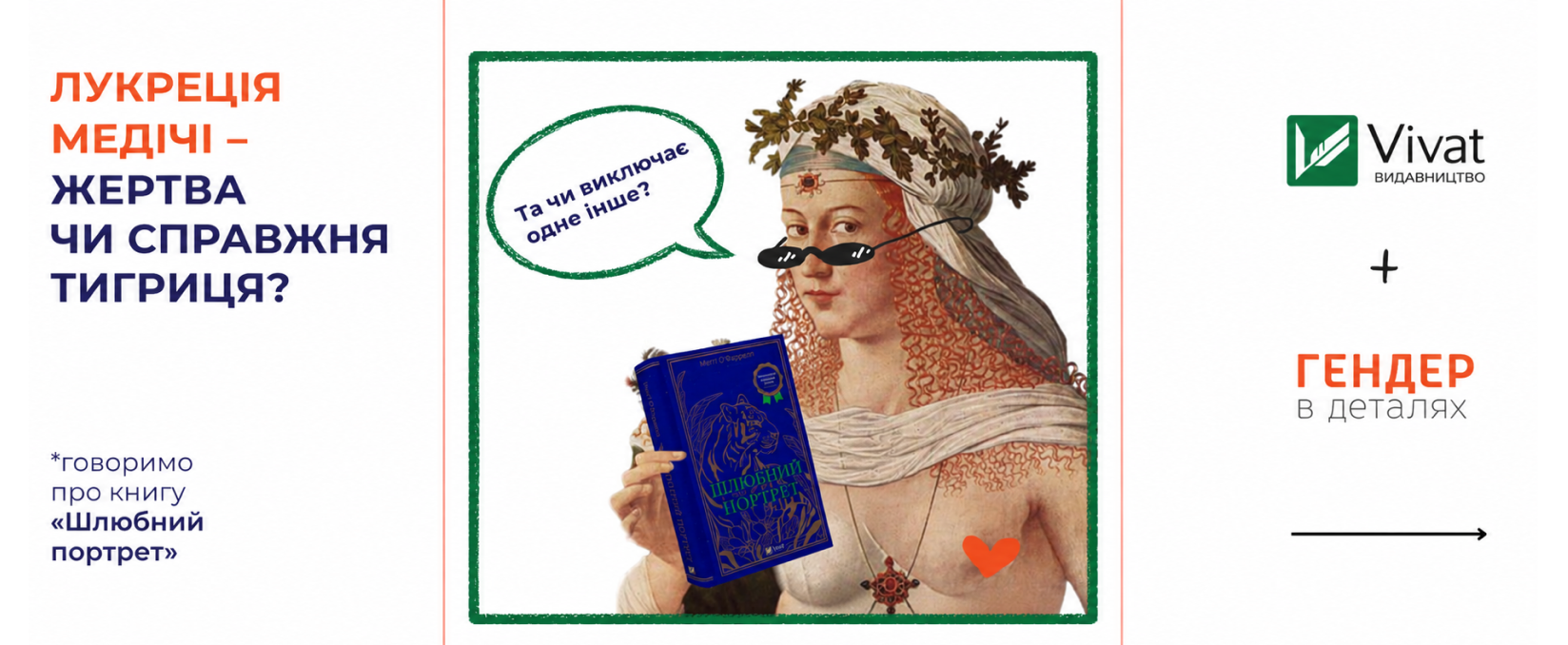
Who is Lucrezia? Lucrezia di Cosimo de’ Medici (February 14, 1545 – April 21, 1561) was the third daughter and fifth of eleven children of Cosimo I de’ Medici, Duke of Florence, and the Spanish aristocrat Eleanor of Toledo (Lady Whistledown would have definitely rated “the most prolific family in the upper echelons of society”).
The duchess made sure that her children received the best education: when teachers come to your palazzo, you can’t skip “school”, so all the Medici children were enrolled in science, whether they were boys or girls.
But what’s the point of educating a girl if you can’t demonstrate your knowledge to your husband?
So in 1552, Lucrezia was engaged to Pope Julius III’s nephew, Fabio Dal Monte, but the engagement had to be called off three years later due to the Pope’s death. It seems like we can breathe a little, but will it get better?
In 1557, after the death of her older sister Maria de’ Medici, Lucrezia takes her place as the bride of the future Duke of Ferrara, Alfonso II d’Este. Her dowry was 200,000 scudi – a huge sum by the standards of that time. With this money, three Palazzo Pitti could have been built and there was still enough left for pins and lace. But what is money worth if even the best doctors were powerless and could not prevent Lucrezia’s death from tuberculosis in 1560? The sixteen-year-old girl was buried in the monastery of the Corpus Christi in Ferrara, but after her death, rumors circulated for a long time that the young wife was poisoned by her own husband.
And what about the book? The author took care to ensure that Lucrezia’s life on the pages of her novel was authentic: she allows only a number of factual inaccuracies, justified sometimes by design, sometimes out of concern for the reader, so as not to confuse him with names and statuses. Thus, the line of relations of Alfonso II d’Este’s sister Elisabetta (in reality also Lucrezia) is shifted in time by 14 years and became an important and vivid episode of the story.
Lucrezia de’ Medici was indeed an educated and intelligent girl, but we know nothing about her keen hearing, clumsiness in dancing, or talent for drawing. These are details added by the author to make the character’s image more voluminous.
Why a tigress? In the Palazzo Vecchio of Cosimo I Medici there was a menagerie with exotic animals, among which were majestic tigers, but information about whether the children of the Duke of Tuscany were allowed there, if they were, has not been preserved.
It is worth noting that the parallel drawn by the author transforms the usual expression “like a bird in a cage”: the girl is no longer seen as a poor helpless bird. She is a tigress. Strong, powerful, with extremely great potential, with energy and abilities that are capable of conquering the world if they are recognized and not neglected.
The theme of suppression of inner strength, abilities and self-realization becomes one of the key ones in the novel.
Did Lucretia have the opportunity and right to be happy?
Few people were concerned about women’s happiness in the 16th century, because if you are a woman, your function is reduced to the role of “wife” and “mother”. Lucretia was expected to be submissive, modest, and to follow moral standards. She was to become an electron that revolved around her husband, without the right to exist in a world separate from him.
Lucretia had no chance of becoming free in a society where you were taught music and art only to entertain your husband. What kind of happiness could there be if you were perceived only as a bargaining chip to strengthen the status and influence of the family?
Freedom of choice was not something a woman had then. And Lucretia was no exception. Even clothes were chosen for her.
When first your mother, and then your husband, tell you what to wear, it relieves a little of the headache. At least, you can deceive yourself with this thought. Maggie O’Farrell pays a lot of attention to the clothes of women of that time, so let’s take a look at Lucretia’s wardrobe.
Sottane is the main item of clothing of the Duchess. A kind of designer dress, consisting of a skirt, bodice and sleeves (they could be fastened with ribbons, laces or buttons). Lucretia wears it both under another layer of clothing and on its own.
Zimarra is a loose dress that a girl wears over the bottom layer, like a modern cardigan.
Giorneas is a sleeveless cape dress, open on both sides and in front. Fur lining makes it an outfit for any season.
Camicia is an undershirt made of white linen, wool, cotton, hemp or silk. It protects outerwear from sweat and dirt. Lucretia’s camicia is guaranteed to be decorated with sewing and decoration.
Scuffia is a net into which hair was laid. In Lucretia, it is woven from gold threads, decorated with stones and pearls.
It sounds and looks very beautiful.
Would you be willing to bring back Renaissance fashion at the cost of your own freedom? After all, not all women managed to get into progressive circles of like-minded people. Usually they spent their lives in a golden cage of a tigress.
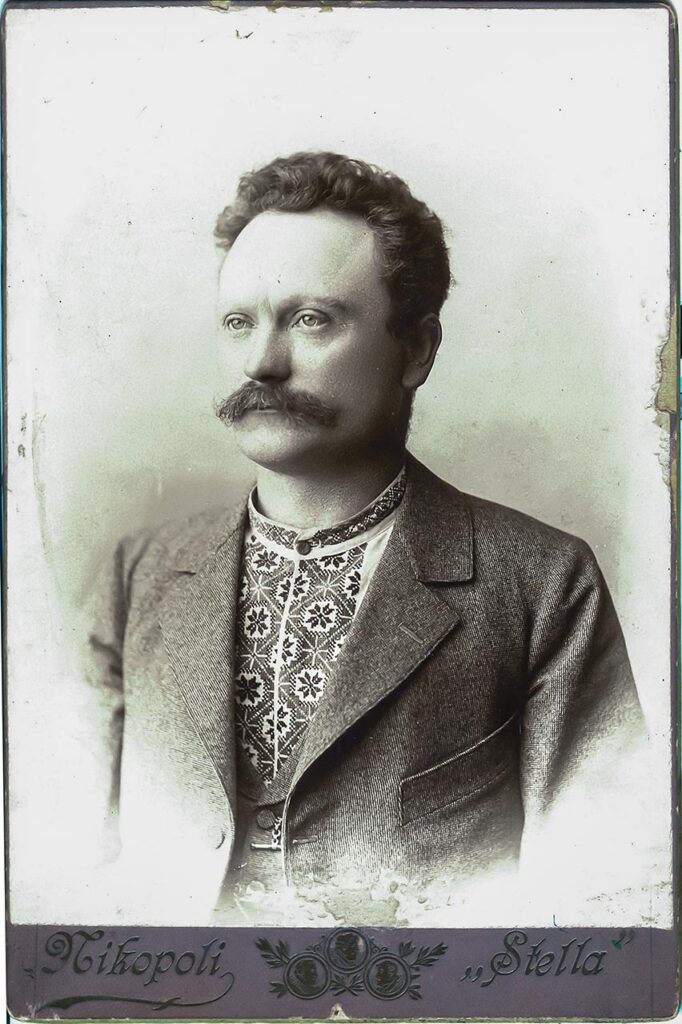
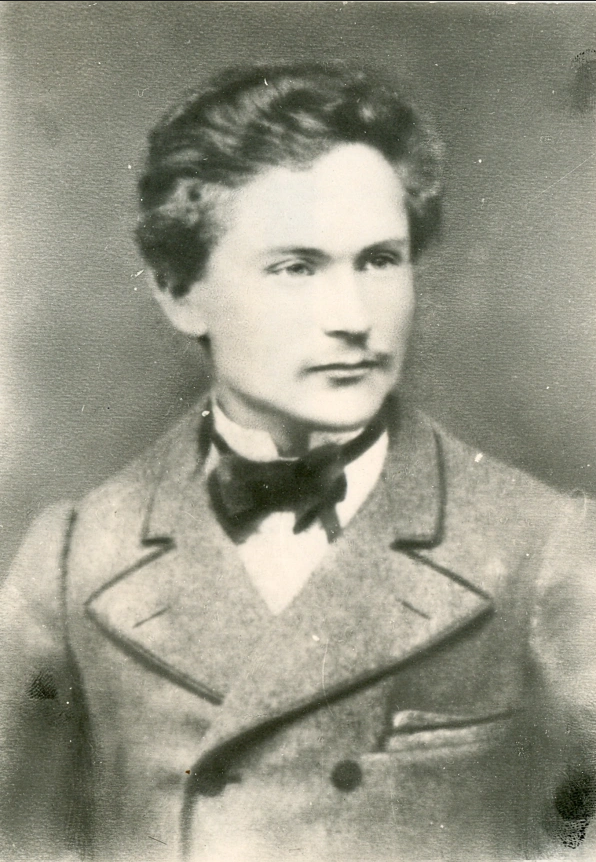
When reviewing the historical development of the Ukrainian women’s movement, attention usually centers on its notable female founders such as Nataliya Kobrynska, Olena Pchilka, Sofiya Rusova, Ulyana Kravchenko, and others. Yet, behind these early struggles stood significant male antecedents and the active support of respected advocates of women’s issues—including Ivan Franko, alongside Mykola Hankevych, Mykhailo Drahomanov, Mykhailo Pavlyk, Vasyl Polyansky, and Volodymyr Shukhevych. However, this male reception of the women’s movement was sometimes ideologically marked by socialist slogans and lacked conceptual consistency within society. Even among supporters, there was no consensus regarding the nature and methods for addressing women’s issues.
A telling sign lies in Franko’s correspondence with Mykhailo Pavlyk (circa October 10, 1879), where Franko warned against singling out the women’s question apart from other social issues: “Neither does the women’s question stand out particularly sharply from among other issues…on the contrary, it recedes into the background (public economy, schools, etc.), and talking about it last year possibly did more harm than good.” He further expresses the view that influencing women’s progress in worldview is better done through sciences than through depictions of everyday women’s lives.
Franko’s Position: Pro-Feminist but Not a Movement Member
Despite cautious descriptions of Franko as a “pro-feminist”—someone who shares feminist ideas without formal affiliation—there is ample evidence in his work and public life of a genuine commitment to women’s emancipation. Franko was ahead of his time in advocating for women’s education, equality, economic independence, supporting and mentoring emerging women writers, and engaging with noted feminists in correspondence, journalism, and literary works. Interestingly, Franko did not use the term ’feminism’ directly, instead employing related terms such as “women’s question,” “women’s cause,” “emancipation,” “equal position,” and “equal rights.”
Early Engagement and Influence
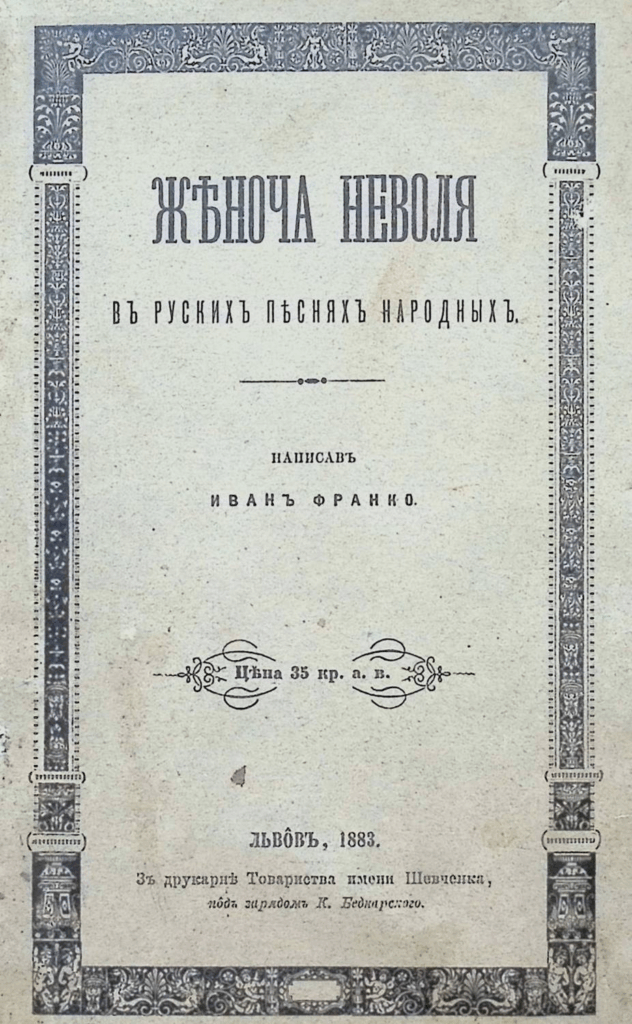
Franko’s interest in women’s emancipation began in the mid-1870s while still a student—the period of his socialist inclinations. He discussed the “women’s question” with his close friend and fellow supporter of equality, Mykhailo Pavlyk, and together they even planned to translate John Stuart Mill’s influential manifesto “The Subjection of Women.” In their letters, they reveal concerns about women remaining passive and the necessity for women to assert their own voices and identities.
Franko’s respectful attitude towards women was formed from childhood and regarded as a feature of the national mentality. In his literary memoirs, he noted the “spiritual superiority over men” of women in artisan families, who, by managing household economy, raising children, and guiding their husbands, “acquired the traits of household leaders.” He recalled: “I had the impression that women in these families, if not ruling, then at least shared an equal position with men, distinguished by intelligence and energy, and above all by a sharp and tireless tongue.”
Engagement Through Literature and Activism
Franko’s relationships with numerous women writers—including mentoring, correspondence, editorial support, and critical engagement—were crucial in the genesis of Ukrainian women’s literature and the feminist movement. He played a decisive role in the founding of literary and advocacy societies, the editing of women’s almanacs, and supporting women’s public organization, while also sometimes offering strong editorial critique.
Modern Perspective
Franko occupies a unique position in the history of Ukrainian feminist discourse. His analytical approach, public activity, and creative work contributed significantly to gender sensitivity in national literature and social thought. While he did not explicitly call himself a feminist, his outlook and actions align closely with modern understandings of feminism—particularly in his vision of women as full participants in society, advocates of their own rights, and creators of their destinies.
Summary: Ivan Franko is widely recognized not as a card-carrying feminist by today’s definitions, but as a profound supporter and enabler of feminist ideas in Ukraine. His progressive stance included advocacy for women’s rights, education, and equality, as well as mentorship for the emerging generation of women writers and activists. Franko’s work and collaborations placed him among Ukraine’s most important early male allies to the women’s movement, leaving a multifaceted legacy still discussed in feminist and literary scholarship today.
Media scholars view gendered disinformation as “a subset of misogynistic abuse and violence against women, as false or misleading gendered and sexualized narratives, often with an intent and coordination to prevent women from participating in the public sphere and harm their reputation.”[1]
Gendered disinformation differs from general disinformation by violating women’s personal boundaries, promoting sexual and physical violence against women, etc. Therefore, gendered disinformation has multiple overlaps with rape culture, i.e., a culture in which sexual violence and other types of sexual abuse are normalized and embedded in a broader context. In such a culture, a woman’s sexual life and corporeality is either directly reduced to an object of male property or, through condemnation as immoral, is subject to attempts of social control, and thus also objectified.
An example of gendered disinformation in Ukraine is the story of war correspondent Iryna Sampan. After she signed a statement by the NGO Women in Media against the Uncensored Calendar project (nude photography by Channel 5 journalists to raise funds for the army), Iryna was attacked by the right-wing radical group C14 and national russian pro-Kremlin media. The former tried to buy nude photos of her from her friends and sent negative messages about her to her husband, while the latter called her an “escort” and “Zaluzhny’s lover.”[2] In both cases, the mere existence of a woman’s sexual life was used to discredit her position and herself in order to intimidate and control her.
Such stories are seen not only in Ukraine. In 2021, fake nude photos of Foreign Minister Annalena Baerbock appeared in the German Internet segment.[3] In both cases, the fight against gendered disinformation should go beyond merely refuting fakes – it should foster the understanding of why the body and sexual agency belong to a woman only, the acceptance of different forms of sexual behavior, and dismantling the stereotypes of “female” and “male.” It is also important to counteract online and offline harassment at all levels and provide victims with comprehensive support.
However, gendered disinformation can also be viewed more broadly as the disinformation around feminism and related topics (LGBT+ rights), the instrumentalization of gendered narratives, or women themselves to advance political and other goals.
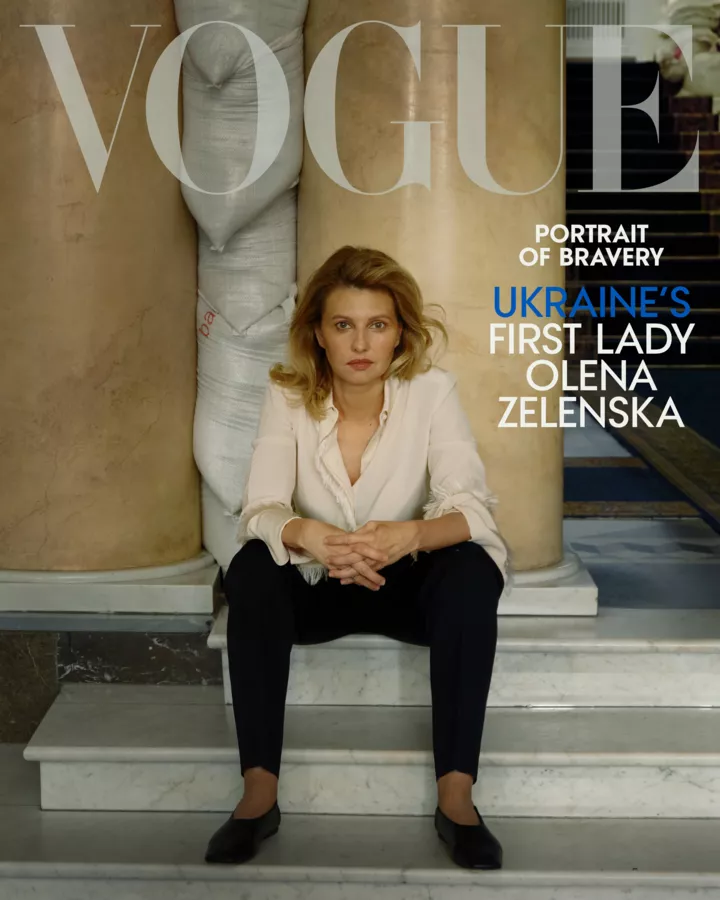
An example of such disinformation is the story of Olena Zelenska’s photo shoot for Vogue magazine. American conservative commentators reacted to it by spreading the idea that this photo session was funded by U.S. taxpayers and that it was a misuse of their money, and therefore, aid to Ukraine should be cut. In fact, U.S. aid comes as armaments, and the photo shoot was in no way related to that. Another, less obvious example was some Western feminists’ criticism of this photo session as glamorous and objectifying, on the sole basis that the photo was published in a glossy magazine. Even though there were no signs of objectification or other misogynistic aspects in the photos, as the first lady was in a subject position, in closed and formal clothes, in the setting of the presidential administration. However, a person who has not seen her, but has only read Western feminist criticism, may get a stereotypical (and false) impression. This is yet another example of gendered disinformation, although not malicious, but rather stemming from a dogmatic worldview and conviction of one’s truth despite the facts of reality.
Vogue cover with Olena Zelenska
Gendered disinformation can appear not only in the media but in other forms of public life, also. In 2018, the NGO Dukhovnist submitted a draft decision to a Brovary City Council session, which voted to appeal to the Verkhovna Rada [Parliament of Ukraine], the National Security and Defense Council, and other state institutions to remove from legal acts in education and from textbooks the norms and principles of sex education aimed at “overcoming gender stereotypes.” The appeal also called for a ban on “propaganda of various types of deviant sexual behavior,” in particular in the form of “so-called ‘equality marches,’ ‘pride parades,’ ‘gay parades,’ ‘queer culture festivals,’” etc. The reason for the appeal and the decision was the sex education project of Daryna Mizina, a Gender in Detail journalist who also worked with the local Brovary city media. The city council session interpreted the project as “encouraging sexual experimentation” and “promoting masturbation and homosexuality.”[4] The local media editorial office started receiving complaints about Daryna.
Gendered disinformation can target not only a certain woman, but also a group of women. russian (more often) and Ukrainian (less often) social media claim that since the beginning of the full-scale war, many Ukrainian women have moved abroad to engage in sex work, some brothels have opened with specifically Ukrainian women, this work is more desirable than other types of income, and Ukrainian women spread sexually transmitted diseases, but at the same time fill the state budget, which is not otherwise filled (“Zelensky sold Ukrainian women abroad”).[5]
Manipulating gender issues and promoting inequality is a constant component of far-right propaganda, as the entire patriarchal ideology is often an integral part of the far-right one. Emancipatory movements, such as socialism, liberalism, feminism, and the movement for the emancipation of the LGBT+ community, have been and are considered hostile by various versions of far-right and hatemongering ideologies. The strengthening of rape culture is a consequence of the spread of such ideologies, and gendered disinformation is their tool.
Far-right movements, patriarchy, male supremacy
The Third Reich considered family to be a genuine “cell” of the state. Ludwig Leonhardt, an expert in racial theory, argued that the family is a biological inheritance, and biological inheritance is the reproduction of the race. He authored “Marriage and Racial Hygiene,” which was promoted as a guide for proper marriage.
Another race theorist, Hermann Paul, believed that “free love” was detrimental to racial health. In general, the gender division in the culture of this era was extremely strong: the man held responsibility for all public affairs, and the woman, as the “keeper” of the family, was responsible for housework, raising children, and serving her husband’s needs.
The Nazis also defined standards for a woman’s body in reproductive and physiological terms: they discouraged decorative cosmetics, required women to conform to the standards of the Aryan race, and encouraged physical education and hygiene as a guarantee of reproducing a healthy race. Modern dances (jazz, etc.) were banned as encouraging women to become promiscuous.[6]
The famous far-right theorist of the first half of the 20th century, Julius Evola, considered men and women’s physical dimorphism to be a reflection of spiritual dimorphism. In his view, men and women had their own separate paths in life, and deviation from them was “a conflicting and unnatural way of being.” Manhood could be of two types: a warrior and an ascetic. Womanhood also had two types: a lover and a mother, and both of these types existed as subordinate to men (husbands and sons, respectively). Self-expression in these areas required a woman to forsake everything masculine in her personality, and a man, respectively, to forsake everything feminine. Evola linked all this to ancient traditional cultures, though indirectly, not in the ordinary sense of what should be borrowed from the traditional cultures for modernity, but rather in the spiritual and symbolic sense.[7]
Our contemporary, the known russian far-right political philosopher and propagandist Alexander Dugin, also did not miss an opportunity to comment on feminism. It is much more difficult to analyze him than previous thinkers, because his philosophy spans from an eclectic mix of very different ideas to a set of words that are only grammatically connected. Nevertheless, it can be deduced that he roots in the legend of the Great Mother, who was allegedly subdued by men, and now women are gaining strength again, and therefore humanity is facing such horrors as atheism, materialism, and progress.[8]
This is a vivid example of gendered disinformation and an unscientific approach, the promotion of a mythological worldview. On another occasion, Dugin generalized “LGBT+, perverted feral feminism, transgender people, wokeism, cancel culture, and the entire culture of the modern West” as “systematic demonization of the civilizational scale” and an illustration that “counter-initiation powers” have gained access to authority in Western Europe and the United States.[9] One should not look for any other meaning in this than incitement of hatred towards the West and all the mentioned groups and phenomena among all who know that demons are bad.
Another contemporary conservative thinker is the famous Canadian psychologist and bestselling author Jordan Peterson. In 2016, he participated in a local debate about transgender people on the conservative side, refusing to address people by their preferred pronouns. Peterson was manipulatively comparing transgender people and their allies to left-wing radicals, left-wing radicals to Nazis, and criticized Marxists and postmodernists as just along for the ride. As in Dugin’s case, there is no need to analyze this intellectual mess in detail, because its main purpose is to vent supremacists’ frustration, who feel the loss of male privilege and consider themselves to be affected by the emancipatory tendencies of society in general and by allegedly manipulative women in particular.
According to Peterson himself, 80% of his YouTube audience are young men.[10]
Jordan Peterson
In recent years, U.S. commentators have begun to distinguish male supremacy as a separate social phenomenon. Male supremacists advocate rigid gender roles and protest against feminism. While “ordinary” far-right movements have patriarchal views internal to their ideology, male supremacists focus specifically on the gender aspect.
The word “incel” (involuntary celibate) did not originate out of the male supremacist community, but it quickly spread there. The incel subculture’ worldview is based on the assumption that women choose attractive men and leave unattractive ones behind, which is expressed in a sharply misogynistic and coarse way. The subculture reduces the image of women to a lustful beneficiary who manipulates men for sex or money. Although this conventionally stereotypical woman has no interest in incels, they still consider themselves better than she is. In their ideology, there is a hierarchy among men, and women are basically below all levels of the male hierarchy.
This worldview paradigm fits neatly into the rape culture because it assumes that women’s attractiveness and sexual activity globally belong to men and are simply “unfairly” distributed among them, i.e., not in the way incels would like. Since women are not rushing to line up for the bearers of the misogynistic worldview, thus prolonging their celibacy, the view works like a self-fulfilling prophecy. This worldview also belongs to the conservative spectrum, because, according to incels, “before” (i.e., before the onset of feminism), the distribution of sexual “benefits” that women “bestowed” upon men was “fairer.” The incel ideology portrays its supporters as the “injured” party.[11]
There are no separate statistics on whether incels commit sexual crimes, but some hate crimes are associated with them, which links incels to the “ordinary” far right. In 2020, there was a terrorist attack in the German city of Hanau: the attacker killed nine people in several bars overnight, then returned home and shot his mother and himself. On his personal website, the 43-year-old terrorist published a manifesto in which, among other extreme racist statements, he said that he had never been intimate with a woman.[12] In the United States and Canada, people associated with the incel subculture have also committed several terrorist attacks that killed up to 50 people.
How russia is spreading conservative and violent narratives
The regime maintains the patriarchal attitudes of russian society at the level of both federal policy and local practices. A story in 2015 shocked russian feminists: in Chechnya, the head of the local police department forced a 17-year-old girl to marry him, even though he was three times her age and already had a wife. Ramzan Kadyrov himself attended the wedding, and the girl was led by his “right hand man” Magomed Daudov. Despite protests from feminists and the human rights community, the wedding took place, and nothing is known about the girl’s fate after. The Ombudsman for Children’s Rights verbally normalized this situation, in particular with the phrase “some women are wrinkled as early as 27,” which he later had to apologize for.[13] In Dagestan, such cruel misogynistic practices as female genital mutilation have spread in recent years, with more than a thousand girls undergoing this surgery every year.[14]
Forced wedding in Chechnya
In addition to reviving traditional patriarchal practices, there are new ones that are quite modern. The “male state” is a confirmed extremist movement, and it has been banned even in russia itself. This is a community of thousands of men, a vivid realization of rape culture, as it seeks to control women’s sexuality. These men publish photos of women without their consent to an audience of thousands, with mocking comments allegedly exposing “whores”, and private harassment, including threatening the women to send porn to their families. This movement is not only misogynistic, it also has a prominent racist focus: if a woman is suspected of having sex with a non-white man, and such suspicions are quite common for the movement, the extent of the abuse increases. For such women, they have coined a separate term: “inkwell.” The members of the “male state” call their ideology “national patriarchy.”[15]
After the full-scale invasion of Ukraine, the level of everyday, domestic, and sexual violence increased in russia itself. However, the media and russian psychologists do not associate the war of aggression and the rape of Ukrainian women with patriarchy, instead attributing the increase in aggression to war-related PTSD, thus justifying the violence.[16] This means that the forces that should counteract rape culture are infected with it.
russia’s patriarchal and conservative policies make it an attractive partner for far-right movements in other countries. Contrary to widespread perception, the Kremlin does not usually directly fund European far-right political parties. Rather, it is a win-win situation: for the world’s far-right, russia is a strong and influential country with a conservative regime. In turn, representatives of far-right forces act as “international experts” for domestic russian “consumption” and perform other useful roles, such as observers at illegitimate “referendums.” However, direct russian support can be found in the area of non-partisan cooperation, while media in different countries systematically pick up disinformation narratives favorable to russia.
Conservative family policy is a significant part of what russia exports abroad through disinformation narratives.
The World Congress of Families is a global network of organizations that oppose LGBT+ rights and abortion. It was founded in 1997 by American Christians and russians concerned about the demographic decline. It is believed to be funded by conservative russian oligarchs Konstantin Malofeev (who financed russia’s military intervention in Ukraine and is under numerous international sanctions) and Vladimir Yakunin.[17] In reality, the Congress operates as a tool of russian soft power, not only promoting patriarchal views on family and gender issues, but also spreading pro-russian political narratives. For many years, dozens of politicians from all over Europe have participated in WCF events, and in general, over 700 people from more than 50 countries have joined this network over the past 15 years.[18]
According to the former French representative of the WCF, Fabrice Sorlen, “this Europe of people and nations will replace a technocratic Europe with a more traditional European civilization; it will promote Christianity in a Europe hitherto dominated by the LGBT lobby. It must unite with Vladimir Putin’s russia to create a version of Europe that stretches from the Atlantic to the Pacific.”[19]
Conservative tendencies are spreading from russia to neighboring friendly countries. In Georgia, Levan Vasadze, a major real estate investor and former board member of a number of large companies in russia, known for his anti-immigrant, anti-liberal, and ultra-religious views, founded the Demographic Revival of Georgia Foundation, which is part of the WCF. In May 2021, Vasadze announced his official entry into politics as the founder of the “Unity, Essence, Hope” social movement. In the same year, he called on the government to cancel Tbilisi Pride, which was actually right-wing radicals violently interrupted.[20] A Moldovan President himself, Igor Dodon, patronized the 2018 WCF Congress in Chisinau.[21]
Moldovan President Igor Dodon meets with russian Patriarch Kirill
russian gendered disinformation in Ukraine
Research by the Ukrainian Women’s Fund shows that in Ukraine, the conservative part of society could also have received support from the russian Federation, and gendered disinformation was the channel of that support. Narratives benefitting russia were broadcast through affiliated structures (in particular, the Ukrainian Orthodox Church of the Moscow Patriarchate), the media, and other religious and conservative organizations and initiatives.
The researchers imply that in 2013, russia conducted a strategic information operation to prevent Ukraine’s European integration, which was supported by a tactical information operation to prevent the adoption of draft law No. 2342 (On Amendments to Certain Legislative Acts of Ukraine on Preventing and Combating Discrimination in Ukraine) and further expansion of the scope of the law “On Principles of Preventing and Combating Discrimination in Ukraine.” In the russian and Ukrainian media, similar narratives were observed. They were manipulating the concepts of “sexual orientation,” “non-traditional orientation,” “European values,” and “gender” as those that disrupt the family institution in Ukraine. There was also an attempt to form opinion with draft law No. 2342 and further expansion of the scope of the law “On Principles of Preventing and Combating Discrimination in Ukraine” as a step towards the dominance of fascist ideology in Ukraine (which is obviously not a fight against real fascism, but the use of an emotionally charged term to incite hatred).[22]
russian narratives in Ukraine did not stop after 2014. For example, in September-October 2015, Vitaly Milonov, a member of the St. Petersburg Legislative Assembly, unleashed a wave of discrimination against the LGBT+ community in the russian media. Simultaneously, narratives similar to Milonov’s (family values are the same as Christian values, the state must protect the family from the LGBT+ community, Ukraine – or russia for Milonov – stands strong in preserving traditional family values, etc.) spread in Ukraine with the common message “joining the EU will lead to the destruction of the family.”[23]
In 2021, a delegation of the Polish traditionalists Ordo Iuris visited the Verkhovna Rada Committee on Foreign Policy and Interparliamentary Cooperation aiming to convince them against ratifying the Istanbul Convention. Polish feminist activist Clementine Sukhanov conducted her own investigation and provided supporting documents that Ordo Iuris is indirectly funded by russian oligarch Konstantin Malofeev.[24] In Ukraine, the organization signed a memorandum of cooperation with Ruslan Kukharchuk’s conservative association All Together. [25] Kukharchuk’s other organization, Love Against Homosexuality, had been distributing leaflets as early as 2017 with not only conservative disinformation (the rights of LGBT+ people allegedly contradict human rights), but also with images of St. George’s ribbons on them (the ribbon is a russian military symbol). The organization Katechon took part in the same action. They borrowed the rare Greek word, which has no family or heterosexual connotations, from the think tank of the same name. This think tank is a joint project of the aforementioned Malofeev and Dugin.[26]
Leaflet of the organization “Love Against Homosexuality”
A news report about Ordo Iuris’ visit to Ukraine also bore signs of disinformation. It presented Ordo Iuris as “an independent legal organization based in Poland, accredited by the European Parliament… aiming to promote legal culture based on respect for human dignity and rights.”[27] In reality, it is a Polish branch of the international pseudo-Catholic movement Tradition, Family, Property (Tradição, Família e Propriedade), founded in Brazil in 1960, which allegedly promotes the “Catholic crusade.” In fact, it is not subject to the Vatican and has a history of extremism in Latin American countries (in particular, its members allegedly plotted to assassinate the Pope during his visit to Venezuela in 1984, after which the movement was banned in the country). In France, the TFP movement is considered a destructive cult (raising funds for unspecified purposes, obscure hierarchy and structure, and progressing requirements for members). The Canadian Bureau of Immigration and Refugees also lists TFP as a “religious paramilitary group.” The Vatican does not recognize this movement and is conducting an internal investigation into it (in particular, for using exorcism and rumors that all recent popes are controlled by the devil).[28]
Conclusion
To summarize, gendered disinformation is a practical tool for spreading rape culture and normalizing violent attitudes towards women and violence as such. Gendered disinformation can be disguised as “conservatism” or “family values,” but it does not lose its cannibalistic nature. russia was and is using gendered disinformation in various forms as part of its imperial propaganda, in particular by clogging the Ukrainian information space and supporting conservative movements and activists in our country and other countries.
After the russian federation’s full-scale invasion, Ukraine finally ratified the Istanbul Convention, and the prevalence of conservative narratives in the media and public space decreased. This can be explained by the fact that conservative activists have more important things to do and security services are working more effectively.
Photos: Annie Leibovitz for Vogue, Rene Johnston / Toronto Star / Getty Images, Radio Svoboda, Facebook page of Ihor Dodon, Zorian Kis
A few years ago, social media was full of loud jokes and irony about amendments to Ukraine’s Criminal Code that strengthened accountability for sexual and domestic violence. One of the main targets of ridicule was the clause on consent to sexual contact. Now, four years after those legal changes, the idea of a culture of consent has become much clearer and more widely understood.
Read more about these changes in the article by Kateryna Viter.
The reasons behind this social shift include active youth education, more accurate and sensitive media coverage, and the advocacy of laws protecting against sexual violence. In other words, building a culture of consent in Ukraine is a daily effort shared by people across different fields — blogging, journalism, politics, advocacy, psychology, and non-formal education.
Gender in Detail spoke with active women from these sectors to learn how they are helping transform the so-called “rape culture” into a culture of consent, and why doing so is especially important right now.
Read more about the difference between a culture of consent and a culture of rape in the article by Yevheniia Dyshleva.
Psychology
“Previously, no one spoke about the culture of consent — society assumed women should be submissive.”
Teaching conscious consent, addressing stereotypes, promoting nonviolent communication, and supporting children and teenagers in schools and universities — this is only part of how psychologists influence personal development and the formation of personal boundaries.
According to Maryna Didenko, PhD in Psychology and expert in tolerance and nondiscrimination, the culture of consent in a psychological context is a set of beliefs or behavioral habits that a person uses to interact with others, including their partner. These habits are shaped by attitudes, upbringing, and learned behavior.
“Previously, no one spoke about the culture of consent, so society mostly believed that women should be obedient. There were stereotypes that sex is essential for men but not for women. Such ideas harm both sides — women are pressured not to refuse sex, and men are pressured to always want it,” Didenko explains.
The formation of a culture of consent in adulthood happens through self-awareness, personal development, psychotherapy, and education. These processes help people reshape the basic beliefs that drive behavior.
The psychologist also notes that during the full-scale war, many couples are separated and cannot engage sexually in person. However, she sees this as an opportunity to build consent culture through communication — by discussing uncomfortable topics, including sex.
“From a distance, partners can talk about their values, desires, and fantasies. This helps them maintain intimacy and lays the foundation for healthy interaction in the future,” she says.
At the same time, war brings heightened aggression. Unprocessed emotions, alcohol or drug use, and other stressors heavily affect human interaction, including in sexual contexts. The number of domestic and sexual violence cases has already increased. Didenko believes that zero tolerance and social condemnation will gradually influence all social groups and lead to real change.
Blogosphere
“If people start googling what ‘active consent’ or ‘active non-consent’ means — I feel an inner victory.”
TikTok and Instagram bloggers play a significant role in forming Ukraine’s culture of consent. They address gender stereotypes, sexual and domestic violence, discrimination, and related topics — reaching teenagers and young adults, the main audiences of these platforms.
Many bloggers use their platforms for educational outreach, explaining the importance of consent and mutual respect in relationships. Creators such as “U Trusakh” (@utrusakh), “Moe Dilo” (@moe_dilo), and bloggers Emma Antoniuk and Yana Brenzei from “Nam palae” (@nam_palae) regularly publish videos analyzing high-profile harassment cases, sharing statistics, and raising awareness.
Ukrainian sex educator and blogger Asya Say (on Instagram and TikTok: @asyasay) believes that understanding active consent can save relationships — and even lives — because it reduces the risk of violence from the very beginning.
“For our society, the culture of consent is still a kind of mysterious creature. Even though there’s been ongoing work on nonviolent communication, people still react with confusion when they hear about consent. But if they start googling what ‘active consent’ or ‘active non-consent’ means afterward, I feel an inner victory,” says Asya.
She notes that some Ukrainians still view asking for consent as a sign of weakness, believing that questions like ‘Can I do this?’ or ‘Do you want this?’ kill romance.
“But more people are beginning to realize that this is about their own safety. In my experience, people under 30 are more receptive to the idea of consent. It’s harder with older generations, especially those deeply rooted in patriarchal or so-called ‘traditional family values,’” she adds.
Asya emphasizes that children should start learning about sexual consent around the ages of 9–10, since the average age of sexual initiation in Ukraine is 15 — even though, under Ukrainian law, teenagers that age cannot legally give consent to sexual activity.
According to Asya, it is also crucial to promote the culture of consent in mass culture — in films, TV series, and books. That way, it will no longer be seen as “a new idea imported from the West” but will instead become an unquestioned social norm.
Politics
“Work with civil society should start with conversations with children.”
Another major driver in shaping the culture of consent in Ukraine is legislation — or more precisely, the people who design, adopt, and implement it. Lawmakers determine how quickly new frameworks that strengthen protection for survivors of any kind of violence are introduced and how effectively perpetrators are held accountable.
Among those advocating for legislation to combat domestic and sexual violence and to establish the concept of consent in law is MP Inna Sovsun and her team. In March 2023, Sovsun submitted a bill to the Verkhovna Rada that would allow criminal proceedings for sexual violence without a formal complaint from the victim. She also actively supported the ratification of the Istanbul Convention.
Gender in Detail spoke with Maria Klius, a human rights advocate and assistant to MP Inna Sovsun, who writes legislative texts and anti-discrimination reviews for educational materials.
“For ten years, everyone who worked on advocating the ratification of the Istanbul Convention talked to politicians about its importance. Over time, this idea became so ingrained that now, as we work on implementation, we no longer have to explain the basics — like why women need specific protection,” Maria said.
As part of broader advocacy efforts, public awareness has also increased, since many of Sovsun’s initiatives are widely discussed — from anti-discriminatory school textbooks to registered civil partnerships.
Maria emphasizes that while the ratification of the Istanbul Convention was a huge victory for Ukraine, the next step — implementation — is even more challenging. The Verkhovna Rada is now considering several bills amending the Code of Administrative Offenses and the Criminal Procedure Code to regulate investigations of sexual violence, plea agreements, and related issues.
“Our team also works with the Ministry of Education, because we are still fighting problematic phrasing in ‘Health Basics’ textbooks. We receive complaints about victim-blaming and other harmful narratives that contradict the idea of a culture of consent. This is critical, because if we want to work with civil society, we must start by talking to children,” Maria explained.
Maria and her colleagues aim to reform the expert review process for school textbooks to ensure it involves qualified professionals, since current reviewers often ignore problematic content — even when students themselves notice it.
Law
“Voluntary consent is mandatory in every case.”
Thanks to their legal expertise and work in protecting survivors of violence, female lawyers and human rights defenders also contribute to dismantling rape culture. They consult victims, help file complaints with law enforcement, and represent women who have experienced violence in court — ensuring that perpetrators face justice.
They also collaborate with NGOs and advocacy initiatives aimed at combating violence and harassment, conduct trainings and legal education programs, and lobby for improvements in gender-based violence legislation. One of the key organizations working in this field is the Ukrainian Women Lawyers Association “JurFem.”
As Marta Pavlyshyn, a lawyer and program manager at JurFem: Education, explains, the conversation about consent is directly tied to the 2019 legal reforms. Previously, under Ukraine’s Criminal Code, rape was defined only in cases where there was resistance or the victim was in a helpless state. The Istanbul Convention, which Ukraine signed in 2011 and ratified 11 years later, introduced the notion of consent to sex as central. This change criminalized acts that previously were not considered rape — even though they were committed against the victim’s will through intimidation or coercion.
The reforms also criminalized sexual violence within marriage, which had often been ignored due to the idea of “marital duty.” Today, the law makes it clear: it does not matter whether the individuals are married or not — voluntary consent is mandatory in every case.
“Ratifying the Convention legally obliges Ukraine to implement and report on its provisions. In terms of consent, the legislative framework is already sufficient: we have criminalized sex without consent and established liability for it, as the Convention requires,” Marta stressed.
According to her, the next step is to change investigation practices, since outdated methods from before 2019 are still common. Some investigators still focus on the presence of physical injuries or the so-called “virginity test.” However, the key issue should be whether the accused obtained voluntary consent from the victim.
Read a detailed legal analysis of Ukrainian legislation from the perspective of the culture of consent by Kateryna Viter.
For survivors of sexual violence and all forms of gender discrimination, the JurFem: Support hotline offers free and confidential legal assistance: 📞 068 145-55-90 or 0 800 30 55 90.
JurFem lawyers provide full legal support — from consultation to courtroom representation. In one current case, JurFem attorneys represent a 14-year-old girl from Zakarpattia, who was raped by three teenage boys.
Media
“The issue of sexual violence is about a violation of the law — and about how justice should work.”
Media professionals play a crucial role in raising public awareness about sexual and domestic violence. Their work creates public pressure on the government and legislative bodies to adopt necessary laws and policy decisions. At the same time, it helps strengthen the culture of consent and build a safer environment for everyone in Ukraine.
Through sensitive and accurate coverage of difficult topics and publication of high-quality materials on cases of violence, journalists help audiences form a proper understanding of such events, challenge gender stereotypes, and dismantle the victim-blaming narrative.
However, the media’s handling of sexual violence remains controversial. In February 2023, StopCor editor-in-chief Maryna Titova contacted Dana Okomaniuk, founder of the platform goodjob, who had publicly shared her story of being raped as a student years earlier. Titova asked Dana for the rapist’s phone number to obtain “his side” of the story. When Dana criticized this request as unethical and insensitive, the journalist published an article defending her actions as adherence to “journalistic standards.”
Read more about how Ukrainian media cover rape in a series of articles by Olha Bilousenko: “‘The neighbors said nothing bad about him’: how Ukrainian media write about rapists,” “Not a sensation but a crime: how to write about rape without causing harm,” and “Accusations and unsolicited advice: how Ukrainian media write about survivors of sexual violence.”
Writers and human rights advocates such as Larysa Denysenko, Liza Kuzmenko (head of the NGO Women in Media), and Oksana Pavlenko, editor-in-chief of Divoche.media, analyze and explain how journalists should write about sexual violence responsibly.
Another prominent voice is Tetiana Troshchynska, editor-in-chief and radio host at Hromadske Radio. She emphasizes that journalism plays an essential role in shaping a culture of consent — especially when not only niche but also mainstream media with mass audiences begin to address these topics.
“Sometimes the audience doesn’t even understand what a media piece is about. That’s why outlets with strong editorial principles must not back down — even if readers or viewers react negatively, saying things like ‘this problem doesn’t exist’ or ‘are we supposed to sign consent forms before sex now?’ It’s important to keep explaining these issues and stay on course,” Tetiana said.
For journalists who are just beginning to cover sexual violence, she advises not only to report incidents, but also to help advance justice and give survivors space to be heard and supported.
“The topic of sexual violence is about breaking the law — and about how justice should function. But it’s also about a person who has survived, found inner strength, and moved forward. The media should not focus on the survivor’s age, weight, hair color, or clothing,” she emphasized.
Journalists should also help survivors feel safe to report crimes to law enforcement and understand the importance of working with lawyers who can help them seek justice in the least traumatic way possible.
Education
“Agreeing to go somewhere or have a drink is not the same as consenting to sex.”
Non-formal education is another powerful tool for cultivating respect, mutual understanding, and consent. Today, lectures, workshops, and seminars on communication, relationship boundaries, and consent are becoming increasingly popular in Ukraine. Such educational programs are offered by organizations like Teenergizer, TolerSpace, Divchata, Vpershe, and by educators such as Yuliia Yarmolenko, Kris Shapran, and Marianna Anoshchenko.
Olha Kukula, sex education trainer and coordinator of the initiative Girls Create, stresses that the culture of consent must be formed from early childhood. The first thing a child should learn is that their body belongs to them, and no one has the right to touch it without permission. Children in kindergartens and other group settings should be taught the “underwear rule” and how to say “I don’t like this.” As teenagers, they need to understand that every form of interaction — a hug, a kiss, or a touch — requires consent.
“We still live in a culture of rape rather than a culture of consent. You can see it in how people react to high-profile cases of sexual violence. Girls are often blamed for going to someone’s house or being drunk. But agreeing to go somewhere or have a drink does not equal consent to sex. This must be openly discussed with young people,” Olha emphasized.
This summer, she worked as a tutor at sex education training sessions for school and university students. Participants discussed sexual violence (including harassment on public transport, catcalling, and street harassment) and the concept of consent. Some girls later shared personal stories of harassment or how adults had blamed victims in similar cases.
Olha admits it’s hard to measure the success of such work — trainers often don’t know how deeply their lessons affect participants, especially young people. Still, she is convinced these sessions are crucial for teenagers, who need not only information but also support — since many already have negative experiences yet fear speaking up for fear of being blamed again for “improper behavior.”
Courses, Series, and Books
The development of a culture of consent requires active engagement from society, as well as support from education, media, organizations, and government. This culture helps build a fair and equal society and creates a safer environment for women and children, who are most often subjected to harassment and various forms of violence.
Gender in Detail has compiled several useful resources to help you better understand the concept of the culture of consent:
Free online course “Sexual Education” on Prometheus. The course provides answers to the most common questions teenagers have about sex and debunks popular myths about sexual life.
TV series Sex Education (Netflix). The show explores topics such as gender identity, hypersexuality, masturbation, teenage sexuality, pregnancy, and the importance of contraception.
Book Doing It: Let’s Talk About Sex by Hannah Witton. This global youth bestseller discusses sensitive but essential topics — first relationships, virginity and sexual experience, the negative effects of pornography and sexting, and healthy perceptions of one’s body and sexuality.
Nationwide Minute of Silence
01:00
Every death in war is not an abstraction.
These are people. These are losses. This is a choice we did not agree to.
When we remember, we do not allow indifference to become the norm.
Memory lives on in our actions:
– in the language we use to think;
– in the donations that can save lives;
– in the words that are not afraid to call war what it is.
None of these gestures will change the past. But they can influence the future.
We honour our defenders and all those who died as a result of russian aggression.
Gender in Detail Team
Cannot be dismissed.
This banner will disappear in a minute.
But the memory must remain.
We see you have spent 15 minutes on our site.
We hope you find it interesting and invite you to follow us on social media:
It is very important for us to know where you used this material
Write to us at info@genderindetail.org.ua about your article, student work, course, Facebook post or conversation with a friend!
The Gender in Detail Team
We use cookies to improve the site and analyze traffic. Necessary cookies are always active.
Customize consent settings
We use cookies to improve your experience on our site. Cookies help us analyze traffic and improve site functionality. Functional cookies are necessary, and without them the site cannot function properly.