245
245 
ABSTRACT
The study examines the experiences and challenges faced by women joining the Defence Forces of Ukraine, particularly in the areas of recruitment, military service, and social guarantees. In the context of low public support for the idea of general mobilisation, the involvement of motivated female professionals in national defence becomes especially important. The analysis reveals the presence of regulatory, socio-cultural, and gender-based barriers that limit the realisation of women service members’ potential.
Based on interviews with women service members and candidates for military service, the study formulates recommendations for the legislative and executive branches of government, the Ministry of Defence, and the media. Key priorities include creating a safe and non-discriminatory environment, updating the regulatory framework, introducing effective complaint and harassment prevention mechanisms, and improving social guarantees and medical support. Implementing the proposed measures will strengthen the human resources capacity of the Defence Forces and contribute to building an army that respects the dignity of every individual and enhances Ukraine’s defence capability.
Keywords: women in the military; gender barriers; social guarantees; mobilisation; comprehensive defence.
BRIEF SUMMARY
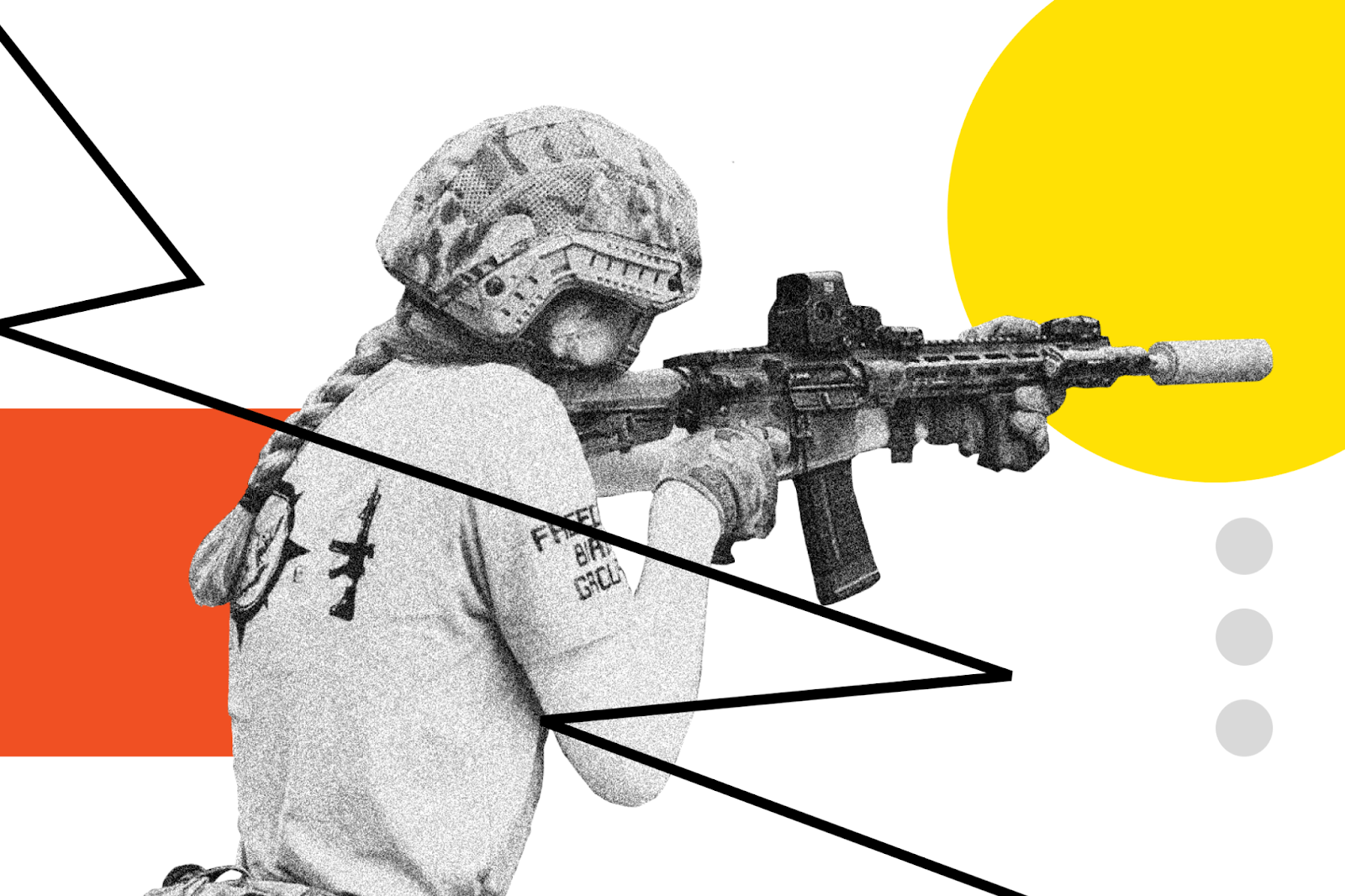
This study aims to identify a range of barriers (socio-cultural, regulatory-legal, institutional, and others) that hinder women service members from fully realising their potential within the Defence Forces of Ukraine across different branches and services. Drawing on a combination of data collection methods, as well as a review of previous thematic reports produced by various experts and organisations, the report seeks to identify a set of factors that either motivate or deter Ukrainian women who have considered entering into a contract with the Defence Forces of Ukraine from pursuing military service. It also explores the challenges and concerns women face prior to enlistment and examines how these concerns are reflected in the realities of military service. Based on the barriers identified, a series of recommendations has been developed for relevant state authorities and other authorised bodies and actors.
During the research design phase, the following objectives were defined:
- To examine public attitudes toward the mobilisation of women and women’s military service;
- To identify institutional, legal, socio-cultural, and other barriers faced by women in the military sphere;
- To collect and synthesize the experiences of current women service members and women who are considering military service;
- To develop recommendations for improving policies, procedures, and practices in the defence sector, with due consideration for gender equality.
The study applies a combination of approaches, including gender-transformative, gender-sensitive, anti-discrimination, and anthropocentric approaches. The research methodology is based on a mixed-methods design that combines quantitative methods (a nationally representative survey, n = 1,000 respondents) and qualitative methods (20 in-depth interviews and two expert interviews), conducted in parallel. The methodological tools of these approaches were aligned to ensure that data related to the same thematic areas could be compared in a methodologically sound manner. As an additional method, the study employed an analysis of open sources, including official statistics, nationally representative surveys, advocacy initiatives of the feminist movement (such as petition texts), and legislation related to gender equality.
Specific sections of the study address the identified barriers that deter individuals willing to join the Defence Forces of Ukraine, as well as the transformative experiences and the practical manifestation of these barriers during the actual military service of individual women.
A series of conclusions and recommendations was formulated based on the comprehensive set of research methods employed.
The research was conducted by the CSO "Expert Resource Gender in Detail" as part of the project “Gender Mainstreaming in the Context of Comprehensive Defence”, funded by the grant “Best Practices of the Swedish Gender Approach as a Tool for Empowering Ukrainian Women to Implement Sustainable Reforms and Promote Ukraine’s European Integration”, with financial support from the Swedish Institute and in partnership with the Swedish International Liberal Centre.
The project draws on gender mainstreaming practices within Sweden’s comprehensive defence system and represents the first attempt in the Ukrainian context to explore the possibilities of implementing a Swedish-style comprehensive defence strategy in Ukraine while simultaneously integrating a gender perspective across key sectors, including the economy, care work, the armed forces, civil defence, governance, information policy, and the volunteer movement.
The project’s concept author and project lead is Tamara Zlobina, PhD in Philosophy and Head of the CSO "Expert Resource Gender in Detail".
Project mentors and reviewers of the analytical reports:
Olena Strelnyk, Doctor of Sociological Sciences
Hanna Hrytsenko, Gender Expert
Project managers: Alyona Hruzina, Halyna Repetska